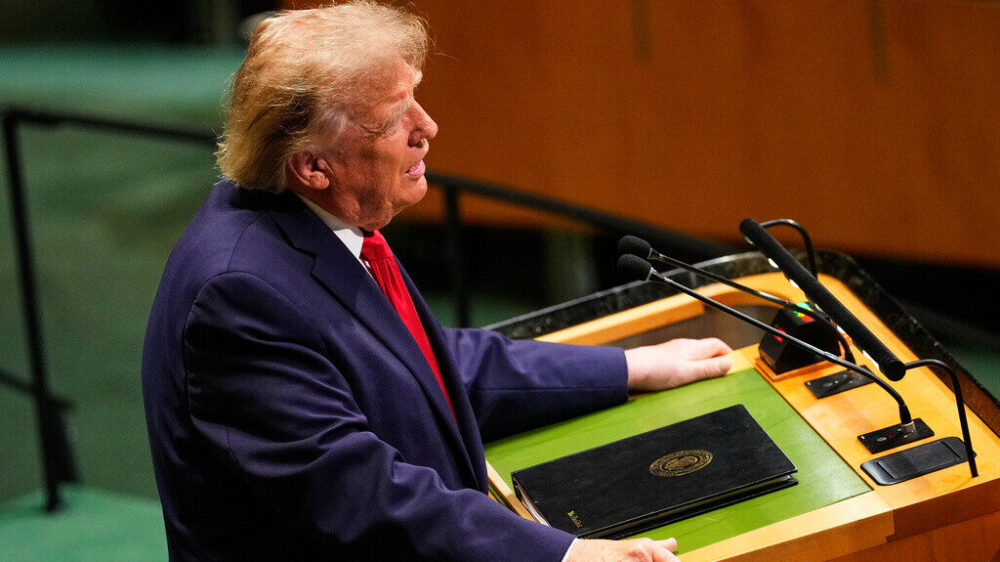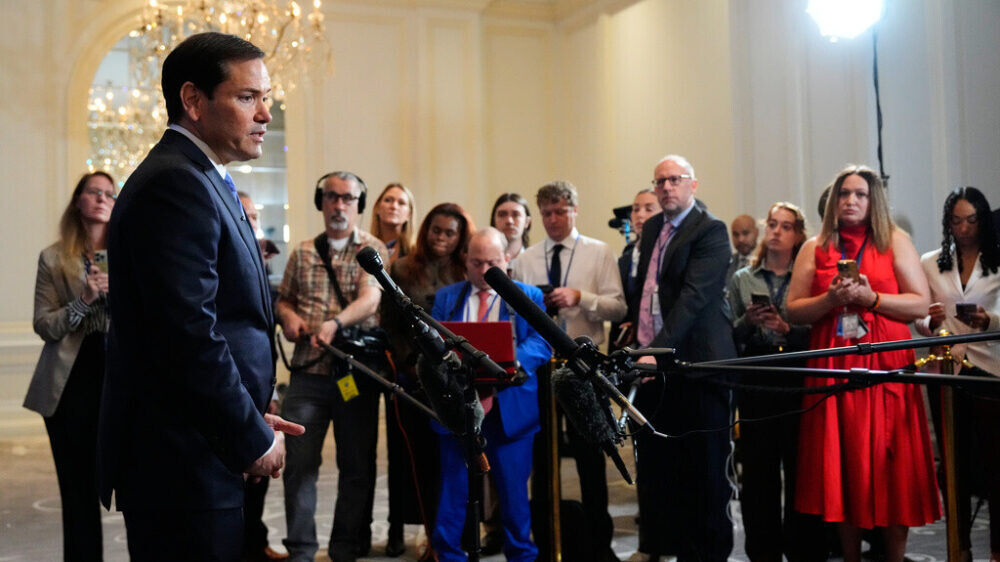





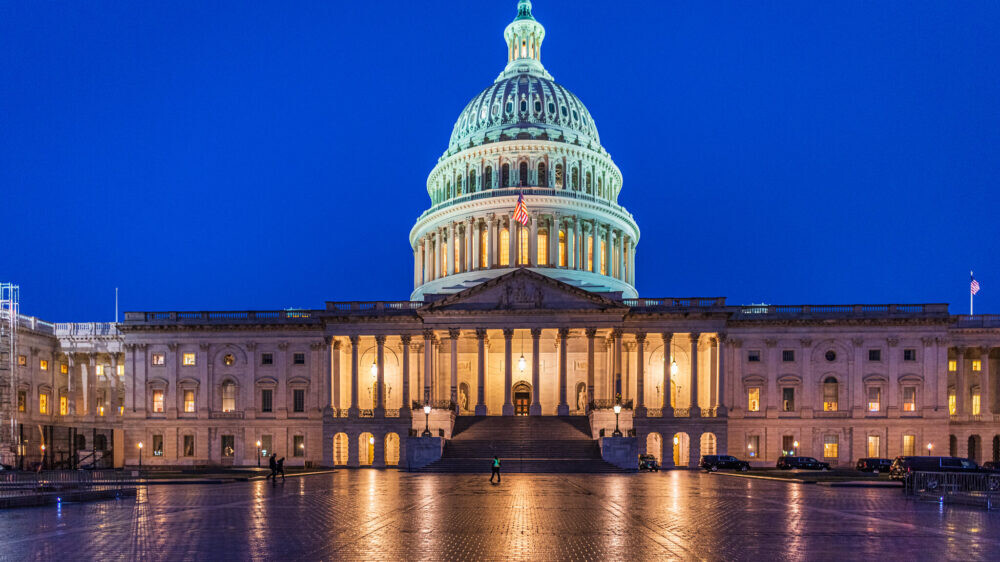

The US Senate on Tuesday approved a resolution limiting President Donald Trump's authority to use military force against Iran without congressional approval. Previously, a similar document was already supported by the House of Representatives, and now the initiative is sent to the White House, where Trump is expected to veto it.
Last week, the Senate rejected the resolution, but this time the majority was in favor. In particular, 46 Democrats voted for the resolution, as well as Republicans Rand Paul, Susan Collins, Lisa Murkowski and Bill Kissidy. 47 Republicans and Democrat John Fetterman voted against.
As The New York Times (NYT) notes, the vote in the Senate was a rare case when some Republicans opposed the foreign policy line of their own president. The resolution requires the White House to obtain separate congressional authorization before launching new offensive operations against Tehran, except in cases of immediate threat to the United States.
According to CNN, the initiative received support not only from Democrats, but also from several Republican senators concerned about the possibility of further escalation in the Middle East. The authors of the document emphasize that the issue concerns not so much specific attacks on Iranian targets, but rather the constitutional distribution of powers between the executive and legislative branches of government.
Supporters of the resolution cite the War Powers Resolution, a 1973 law passed after the Vietnam War to limit the president's ability to independently drag the country into armed conflicts. In their opinion, any prolonged military action against Iran must be discussed and approved by Congress.
As CBS News highlights, the vote reflects a broader debate within Washington about how far the president can go in using military force without a direct mandate from lawmakers. White House critics fear further escalation with Iran could escalate into a full-blown regional conflict involving Tehran's allies.
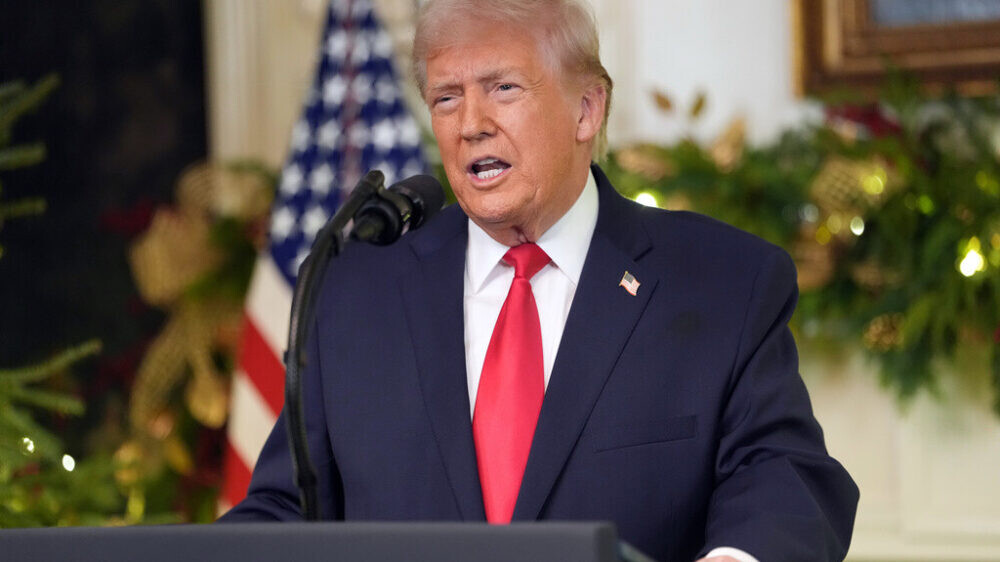
The Trump administration, for its part, argues that the president already has sufficient authority as commander in chief to respond quickly to national security threats. The White House warns that additional restrictions could make it difficult to make quick decisions in crisis situations.
Even with support from both chambers, the resolution's fate remains uncertain. To override a possible presidential veto, Congress would need a two-thirds majority in both the Senate and House of Representatives, a threshold that CNN estimates would be extremely difficult to meet.