

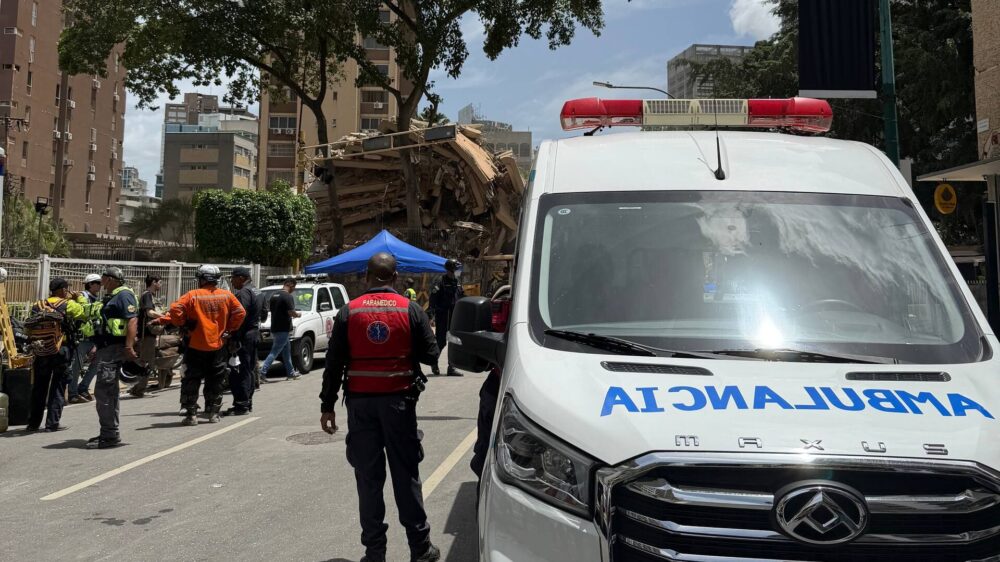

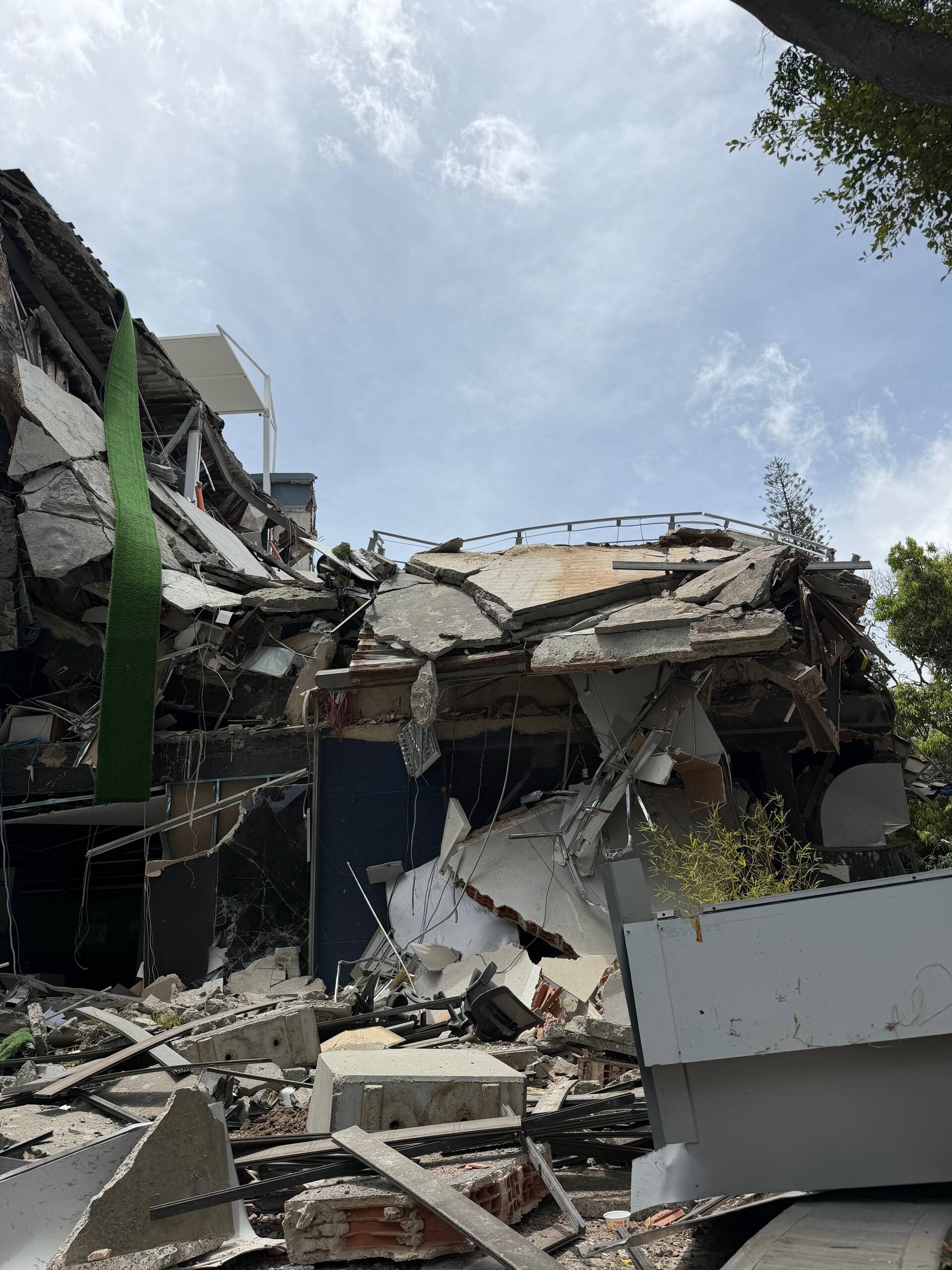
Eyewitnesses interviewed by RTVI told how they survived the double earthquake in Venezuela, which became the strongest in the country since 1900, and what is happening now. According to them, there are not enough emergency personnel to eliminate the consequences, so local residents have to clear the rubble themselves, provide first aid and provide the victims with basic necessities.
Thus, Soraya Borelli Patinha said that in the state of La Guaira, which was hit hardest by the earthquake, assistance is being provided to Russians and Belarusians living there. According to her, in the context of a lack of government resources, local residents actively help each other in clearing rubble, transferring basic necessities and providing medical assistance.
Most of Patigna’s neighbors are stranded on the street as multi-story buildings are often damaged or destroyed. Her house remained intact – according to RTVI’s interlocutor, due to the fact that it is one-story. Since people in the region (Patinha lives in the state of Aragua) are accustomed to earthquakes, she was not surprised by the gentle tremors of the earth, but suddenly they began to intensify.
“It was tugging so hard that I was holding on to the wall. I thought, Lord, now this will all gradually pass, it will calm down. But no, suddenly I felt a second blow, a very strong blow, and I thought that’s it, I’m going to die,” says Patinya.
Another eyewitness, Sergei Teplyakov, caught the disaster while visiting a grocery store in Caracas. At the moment when the man was about to pay for his purchases, the ground shook, and after the second shock, the saleswoman got scared and called Teplyakov to urgently go outside.
“People ran out with children, with dogs, the dogs were howling. And the poles that held the road signs were very wobbly. Of course it was scary. No one understood anything, no one was ready,” says Teplyakov.
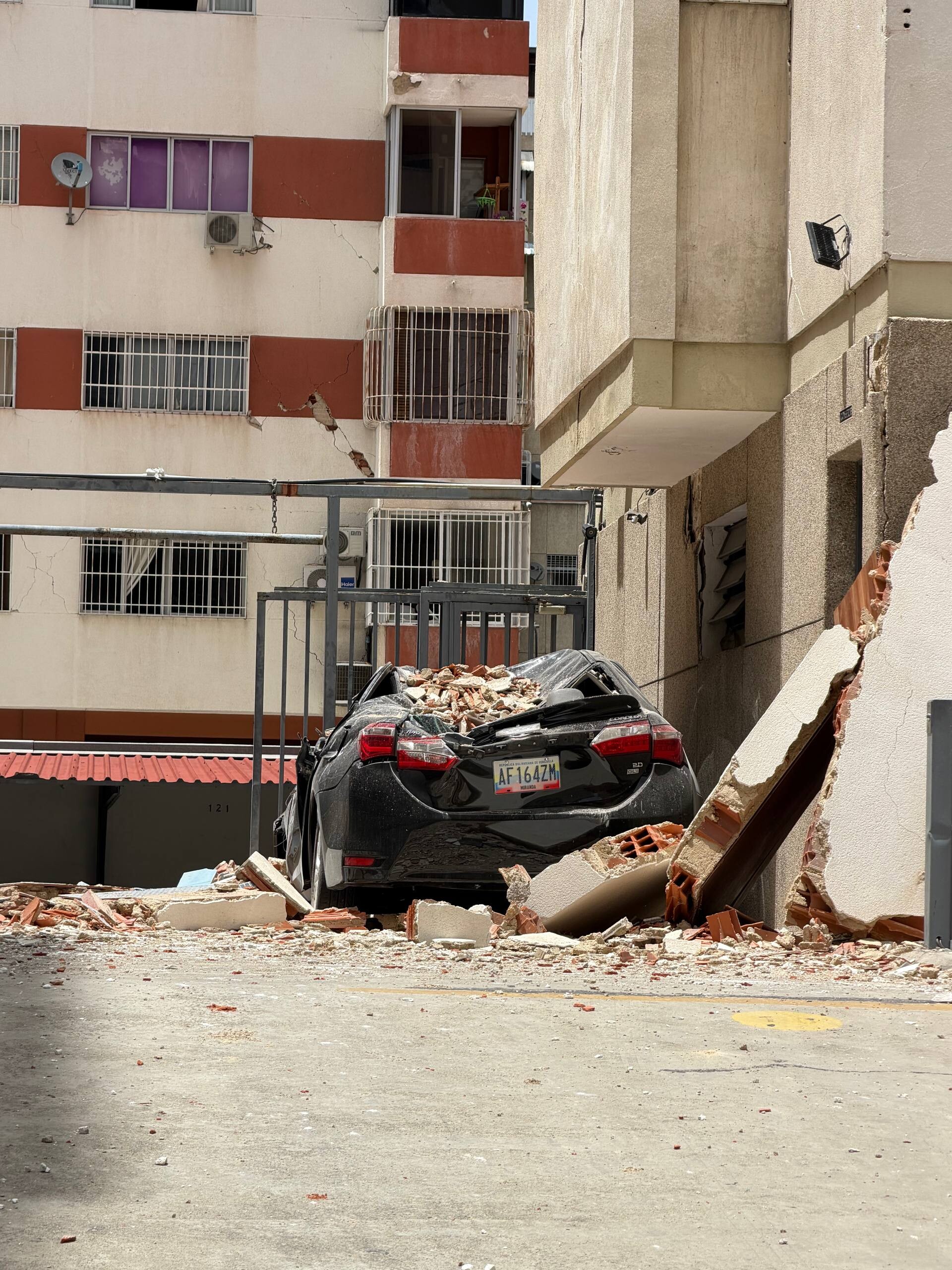
Over the past two years, RTVI’s interlocutor, according to him, does not remember such a scale of disaster. He had to spend the night on the street due to fears of building collapses, but even at night he was awakened by aftershocks – repeated weaker seismic tremors that occur after the main earthquake. Teplyakov mentioned that in the apartment next to his, people “lost thousands of dollars” due to broken furniture, dishes and electronics.
RTVI.US
At the same time, he noted the lack of special infrastructure to accommodate the victims, and the authorities, despite the declared state of emergency (emergency situation), did not inform the population and did not talk about the action plan in the event of new tremors.
Let us remind you that on Wednesday evening, June 24, Venezuela was shaken by two earthquakes: the first with a magnitude of 7.2, the second 39 seconds later with a magnitude of 7.5; then about 20 aftershocks followed. According to the latest data from the Associated Press (AP), at least 188 people were killed, about 1,500 were injured, more than 200 are under the rubble, while thousands more are missing.
The United States has allocated $150 million to Venezuela for earthquake relief efforts, the State Department said in a statement. As RTVI.US reported, Washington previously sent search and rescue teams, medicines and humanitarian aid to the affected country.
RTVI.US
The disaster was the result of a seismic doublet, a rare phenomenon in which two large earthquakes of comparable magnitude occur within a short period of time and in close proximity to each other. The country sits on one of the most active tectonic boundaries in South America, where the Caribbean Plate is moving east along the South American Plate, seismologists told The Wall Street Journal (WSJ).
“Here [в регионе расположения Венесуэлы] “There are several strike-slip faults where two tectonic plates slide past each other horizontally, sometimes getting stuck and building up stress before either abruptly rupturing or, as in the case of the environment, causing another earthquake,” the business publication emphasizes.
This is not the most common type of earthquake, but they do happen and, as a rule, lead to devastating consequences, the WSJ says. The publication mentions disasters in 2023 in Turkey and Syria, as well as last year’s disaster in Myanmar.
The double fault formed where the Caribbean plate, located north of Venezuela, is moving east relative to the South American plate at an average rate of 0.79 inches (2 centimeters) per year, Christine Goulet, director of the U.S. Geological Survey’s Seismology Science Center in California, told the AP.
“This is a large displacement, comparable to the San Andreas fault. More vertical movement can lead to more severe damage. The degree of damage depends on other factors, including the length of the fault,” the expert clarifies.