




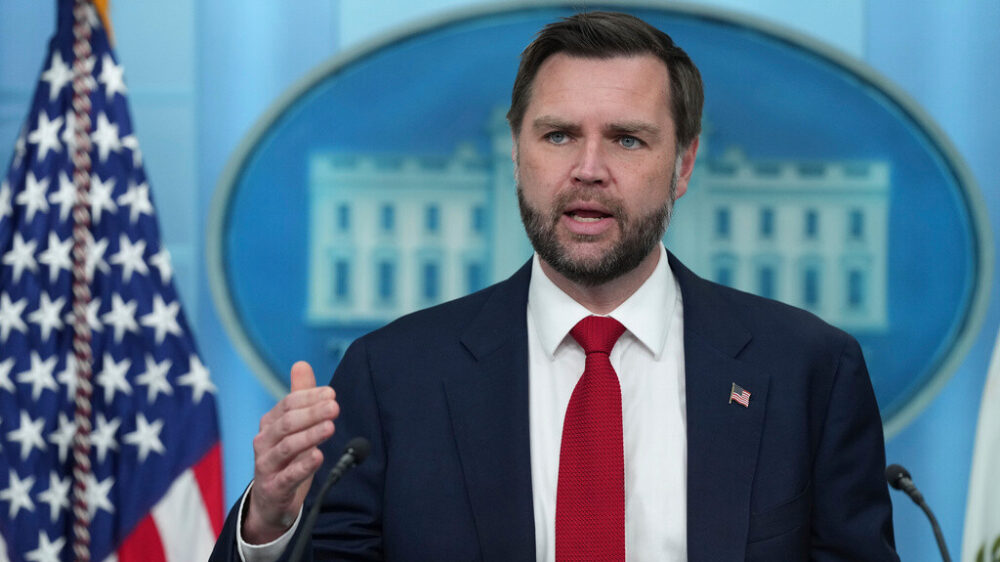

Vice President J.D. Vance postponed a planned trip to Switzerland, where he was scheduled to hold direct talks with an Iranian delegation on Friday about Iran's nuclear program. The decision to postpone was made after Vance's team had already prepared for departure. The White House explained the cancellation of the trip due to logistical difficulties, reports the Associated Press.
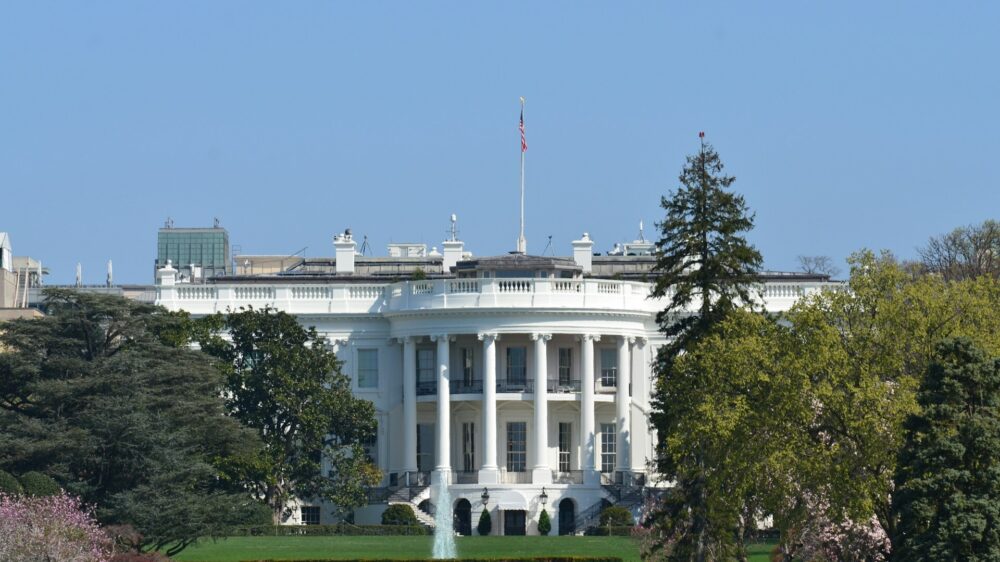
On Thursday, Vance spoke to reporters at the White House and answered questions about a previously signed Memorandum of Understanding calling for a cessation of hostilities and the opening of the Strait of Hormuz. The Vice President admitted that the timing of the visit to Switzerland may be revised.
A White House spokesman said that Vance and the American delegation were ready to travel to Switzerland immediately after the final agreement on organizational details – at the time of the cancellation of the trip, preparations for technical negotiations had already reached an advanced stage, writes Reuters. The White House emphasized that “the logistics of these negotiations have never been simple or predictable.”
Earlier in the day, a source familiar with Tehran's position told Reuters that Iran's chief negotiator, Iranian Parliament Speaker Mohammad-Bagher Ghalibaf, also had no plans to participate in the meeting.
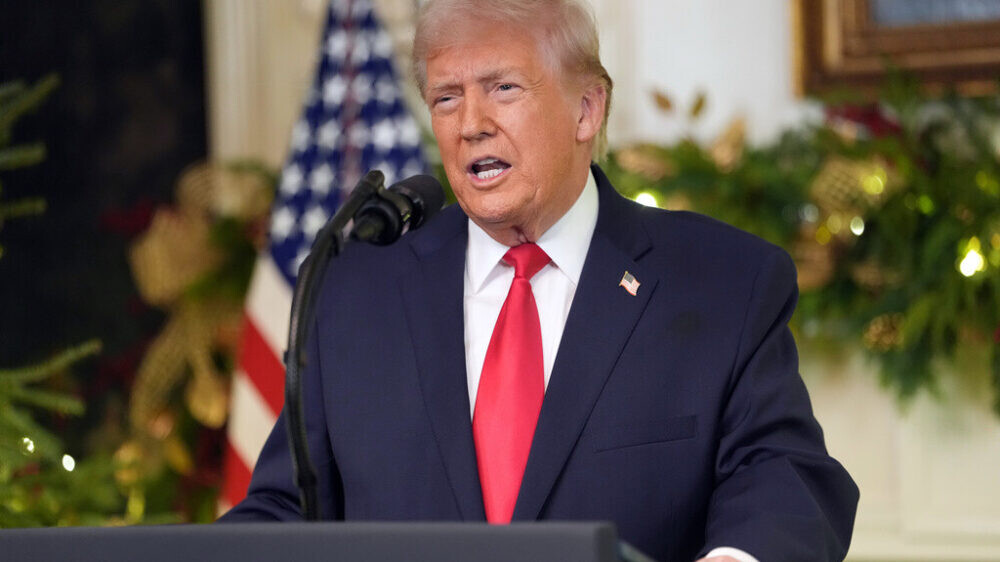
Even before Vance's decision, Pakistani Prime Minister Shahbaz Sharif also postponed his visit to Switzerland. It was assumed that the Pakistani side, acting as a mediator, would hold a signing ceremony for the agreement. However, this was no longer necessary after US President Donald Trump and Iranian President Masoud Pezeshkian signed the document remotely.
Earlier, the Arabic-language Al-Mayadeen TV channel, associated with the Iranian-backed Lebanese group Hezbollah, reported that the Iranian side was postponing the trip due to the ongoing Israeli military operation in Lebanon.
According to a source familiar with the situation, the Iranian delegation was already preparing to fly out to participate in the first round of negotiations, but the trip was canceled at the last minute.
The source also claims that Tehran notified Washington and the mediators in advance that the situation in Lebanon directly affects the prospects for the negotiation process. According to the Iranian side, ongoing Israeli strikes up to 10 km deep into Lebanese territory contradict the first paragraph of the signed Memorandum.
The Lebanese Ministry of Health noted that on the night of June 19, as a result of massive Israeli airstrikes on 11 settlements in the south of the country, 18 people were killed and another 33 were injured. The department noted that the ongoing bombing makes it difficult to carry out rescue operations and evacuate victims, so the number of victims may increase.
The Israeli side said the strikes were carried out on Hezbollah facilities and infrastructure in response to ceasefire violations by the group.
In one of the attacked settlements, Kharuf, located northeast of the city of Tire, seven people were killed. According to Lebanese authorities, people may remain under the rubble. A mass exodus of residents from the Tire and Bint Jubail areas is also reported.
Let us recall that on Thursday the United States and Iran remotely signed a memorandum of understanding providing for the immediate cessation of hostilities, including operations in Lebanon, mutual respect for the sovereignty of the two states, the lifting of the American naval blockade within 30 days after the opening of the Strait of Hormuz, as well as the withdrawal of American troops from the region.
Until a final settlement is reached, Iran maintains the current status of its nuclear program, but officially renounces the development of nuclear weapons. Issues related to the nuclear program, lifting sanctions and unfreezing Iranian assets are planned to be discussed within the framework of the 60-day negotiation process.