




The construction of giant data centers necessary for the development of artificial intelligence (AI) is beginning to affect not only the US energy grid, but also the outcome of elections. One of the first states where AI infrastructure became a full-fledged election issue was Utah, where the Republican primaries are being held on Tuesday.
We are talking about the Stratos project, a large-scale data center in Box Elder County in northwestern Utah. As Semafor writes, it was the problem of this project that Republican Karin Lisonby, a member of the local House of Representatives and rival of current US Congressman Blake Moore, made one of the foundations of her program. She, in particular, is trying to use the data center theme as a symbol of a broader problem – the excessive influence of technology corporations and poor consideration of the interests of local communities.
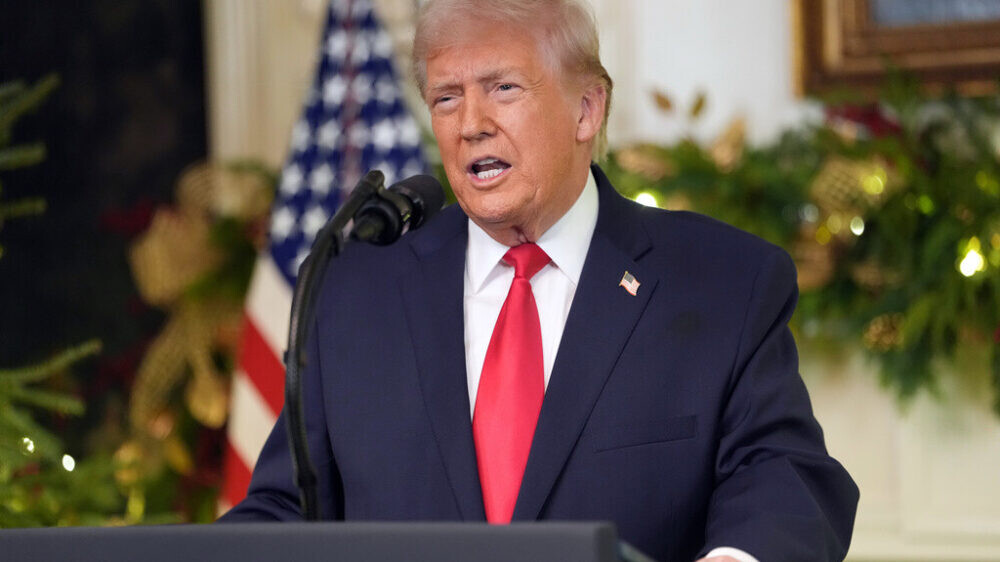
Moore is considered the favorite in the primaries, he was supported by US President Donald Trump; Additionally, Moore had more than 30 times more campaign funds than Lisonby as of early June, according to Semafor. Lisonby, however, told Semafor that the Stratos issue could influence the outcome of the primary as many voters are concerned about the impact of the construction. The Republican emphasizes that she does not consider regulation of data centers from Washington a universal solution, since US regions are too different from each other.
According to local media reports, Stratos was initially supposed to be built on an area of about 40 thousand acres (almost 16,190 hectares), which would include a campus of data centers and the energy infrastructure to power them. After public pressure, investors agreed to halve the project, but it still remains colossal in scale.
The facility should serve computing power for artificial intelligence, cloud services and defense applications. The project is supervised through the Military Installation Development Authority (MIDA), a special quasi-governmental body responsible for the development of areas associated with military infrastructure.
The reasons for residents' dissatisfaction are largely pragmatic: water, electricity and the environment. It is estimated that the project could require up to 9 GW of power when fully implemented – comparable to the peak energy load of much of the state of Utah. Environmentalists warn that such a facility could significantly increase the load on the energy system, as well as greenhouse gas emissions.
An additional concern is water consumption. For arid Utah, the issue of water has long been political, especially as the Great Salt Lake deteriorates. Opponents of the project fear that large-scale server cooling systems will worsen resource shortages, even despite assurances from investors about the use of closed cooling cycles.
Utah Gov. Spencer Cox initially defended the need for data centers, calling AI development a matter of national security and competition with China. Later, amid protests, the governor acknowledged that public concerns had been underestimated and signed an executive order tightening requirements for future data centers, particularly on water, air quality and impact on local communities.
Additionally, Semafor notes, the Stratos story shows a broader divide within the Republican Party. The traditional wing of the GOP advocates deregulation, large investments and an acceleration of the technology race with China. However, the populist wing increasingly perceives AI projects as an example of how big capital is shifting the costs of development onto ordinary citizens. Let's add that Democrats are more likely to criticize data centers due to their impact on the environment, water and electricity consumption, while Republicans, on average, have a more favorable view of them.
We also note that large-scale construction of data centers is causing resistance across the country, from Maine to Missouri and Michigan. According to Gallup, about 70% of Americans oppose the construction of an artificial intelligence data center in their area. The Reuters/Ipsos poll also found that most Americans don't want such facilities near them, with about two-thirds of Democrats and about half of Republicans opposed.