




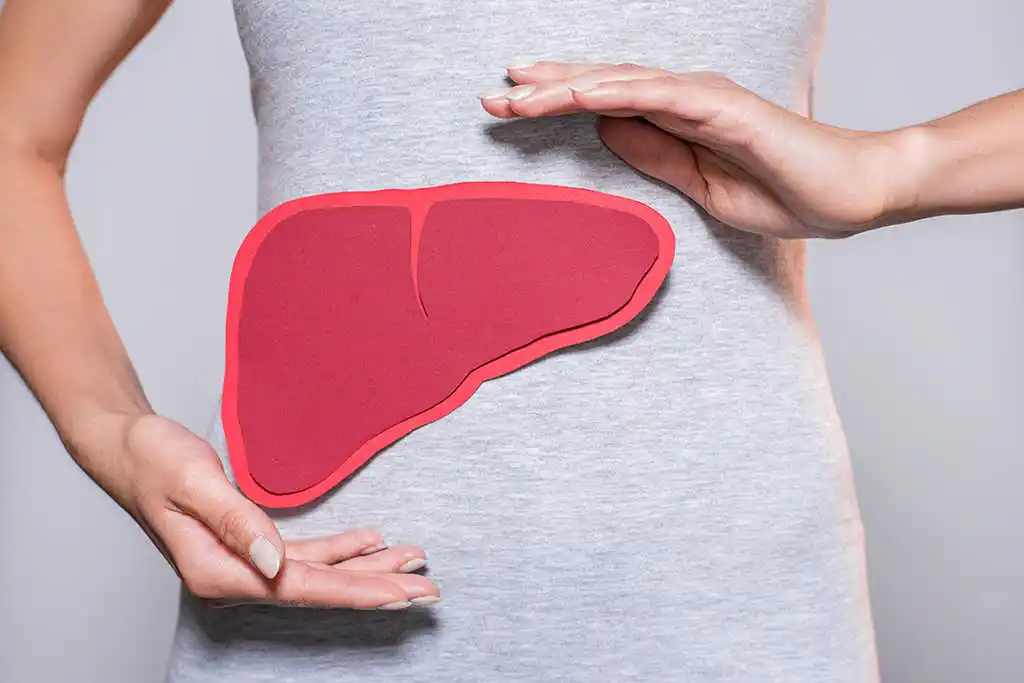

In the complex biological mechanism of the human body, there are organs whose work remains unnoticed until the moment they malfunction. One of these vital elements is the liver — a true chemical laboratory that works continuously 24 hours a day, maintaining internal balance. This organ performs thousands of biochemical reactions, without which the normal functioning of the body’s systems would be impossible. Called the liver in English, this unique organ is the largest gland in the body, combining the functions of purification, synthesis, and storage of vital resources. Understanding the mechanisms of its work is the first step toward a conscious attitude toward one’s own health and longevity.
Strategic Filter: Detoxification and Metabolic Control
The liver acts as the main barrier that protects us from toxic compounds that enter through food, medications, or are formed during life processes. It does not just “filter” blood but processes harmful substances into neutral compounds that are easily excreted. In addition to purification, the organ plays a key role in energy metabolism, controlling the levels of nutrients in the blood:
- Neutralization of toxins, hormone breakdown products, and medication residues.
- Regulation of glucose levels by accumulating or releasing glycogen.
- Processing of nutrients entering from the digestive tract for further distribution throughout the body.
- Synthesis of blood plasma proteins, including those responsible for clotting.
Such multitasking makes this organ a center of metabolic management. Without the coordinated work of hepatocytes — the main cells of the liver — any disturbance in nutrition would instantly affect the work of the brain, heart, and other organs. Its ability to self-repair is a unique phenomenon, but it is not limitless, so supporting the health of this “filter” should be a priority for each of us.
Resource Factory: Synthesis, Storage, and Digestion
Beyond purification functions, the liver is a powerful synthetic center where new structures are created to support life. It provides the body with necessary “building materials” and helps in digestion by producing bile, which breaks down fats. This organ accumulates reserves that save us in critical moments of nutrient deficiency:
- Production of bile, which is necessary for the emulsification of fats in the small intestine.
- Storage of vitamins (A, D, E, K, B12) and microelements such as iron and copper.
- Synthesis of cholesterol, which is a structural component of cell membranes and a precursor to hormones.
- Processing of proteins for urea excretion, which prevents the accumulation of ammonia.
It is precisely thanks to this process that we receive stable energy and the ability to assimilate complex food components. The bile synthesized here works as a natural emulsifier, allowing us to obtain valuable energy from fats. This subtle mechanism of production and storage underscores the organ’s role as the main logistics hub, where resources are redistributed according to the current needs of the entire body.
Immune Defense and Regulation: Role in General Homeostasis
Few people know that this organ is an integral part of the immune system, as it filters blood from pathogens and microorganisms. Specialized cells (Kupffer cells) constantly “scan” the bloodstream, detecting unwanted “guests” and destroying them. Such a combination of functions allows the liver to maintain internal homeostasis even under the difficult conditions of the external environment:
- Active participation in the destruction of bacteria and viruses that enter through the gastrointestinal tract.
- Regulation of hormonal balance through the breakdown and excretion of excess hormones.
- Participation in bilirubin metabolism for the proper functioning of the excretory system.
- Maintaining the constancy of the internal environment, which allows the body to adapt effectively to changes.
This makes our internal filter not just a passive observer, but an active participant in defense against infections and hormonal imbalances. By supporting the health of this system through proper nutrition and the avoidance of bad habits, we effectively strengthen our immunity. The liver is a silent worker that deserves care, as its stability is the key to our general energy, clear mind, and the body’s ability to recover quickly after any exertion.