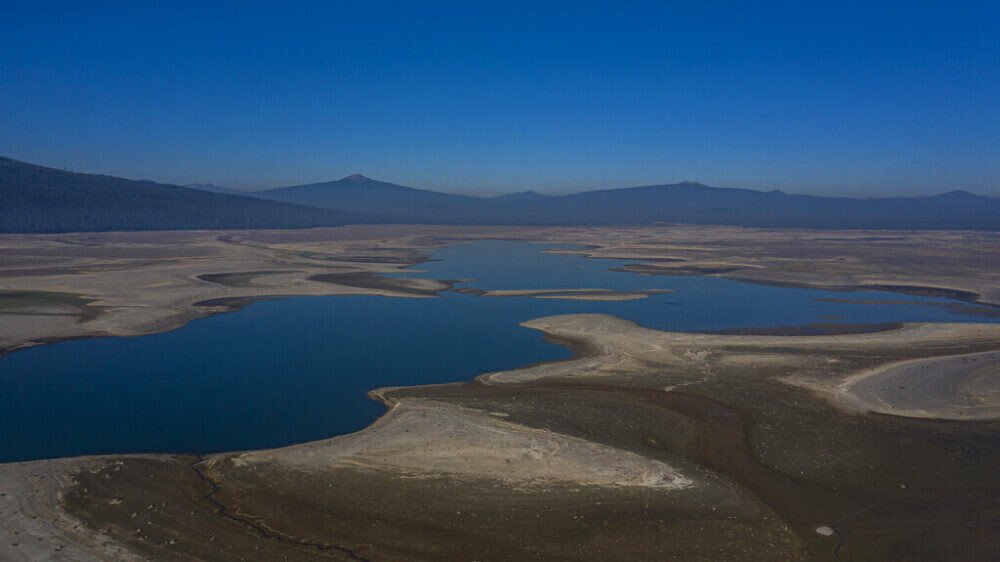

In Colorado and Oregon, a number of reservoirs may dry up completely by the end of summer. Since nWhen significant shallowing occurs, most of the fish die due to rising water temperatures, lack of oxygen or complete drying out of water bodies, local authorities decided to open the fishing season early and lift restrictions on fishing, NBC News reports.
As of Monday, Oregon lifted daily fishing limits for Thief Valley, Pilcher Creek and Wolf Creek reservoirs, which feed on tributaries of the Snake River in the northeastern part of the state, the newspaper reported. This is the first time that all three reservoirs are open to unlimited fishing at the same time. Typically, fishermen are allowed to use no more than two fishing rods, and the daily catch limit does not exceed five fish.
“We have several reservoirs that we expect to become very shallow this year. We decided to be proactive and opened the season earlier than usual so that fishermen could take advantage of the opportunity to catch these fish,” Tyler Hoyt with the Oregon Fish and Wildlife Service told NBC News.
Thief Valley Reservoir may become several small ponds by late summer. A similar situation already occurred in 2024, when the reservoir almost dried up, which led to massive death of fish.
“Then a huge number of fish got stuck in the mud. As the reservoir dries out, separate puddles and ponds form where fish remain. Most die due to rising water temperatures, lack of oxygen, or complete drying out,” Hoyt said.
In Colorado, unlimited fishing was allowed in Antero Reservoir on the South Platte River from April 21 to May 13. Now the reservoir is artificially drained, redirecting the water to another reservoir, where losses from evaporation are much lower. Denver Water estimates that this will save the equivalent of about 2,500 Olympic swimming pools.
“People came and fished, but now access to visitors is closed. The drainage process is beginning,” said Kara Van Hoose, a spokeswoman for the Colorado Parks and Wildlife Department.
Specialists install special nets to direct the remaining fish to certain areas. Among the options being considered to save the population is electrofishing, in which fish are temporarily stunned with electric current and then transferred to other bodies of water. However, some of the inhabitants, according to experts, will still not be able to be saved.
Also starting Monday, unlimited fishing is allowed at Nee Noshe Reservoir in southeastern Colorado. In Utah, authorities have increased the permissible catch limit in Crouse and Nine Mile reservoirs.
According to experts, some reservoirs in the region may dry up completely. The reason was an extremely snow-free winter and record heat in the western United States. Climatologists from the US Drought Monitor note that the scale of drought this spring has become a record since records began in 2000, RTVI.US reported.
Typically, about 53% of the Western states' water supply comes from melting snowpack. However, in the first months of this year, the snowfall was significantly less than normal, so the necessary “reservoir” for replenishing rivers and reservoirs was not formed. Wyoming, Utah, Colorado and New Mexico recorded their lowest snow levels on record.