


The U.S. Department of the Interior has rescinded a rule under which all species of plants and animals listed as threatened and endangered automatically receive federal protection. Now for each of these types you will need to develop a separate plan. In addition, officials will have to consider the economic impact of environmental measures when making decisions, reports the Associated Press (AP).
Environmentalists warn that the new regulations could make it more difficult to save rare species because it will take a long time to prepare and agree on individual protection measures. They say it will also allow companies to seek permits for oil and gas extraction, mining, construction and other economic activities in habitats of endangered species.
“Success should be measured by species recovering and being delisted, not by the addition of new species,” said Interior Secretary Doug Burgum.
The rules, also called “comprehensive protections” for endangered species, were first introduced for animals in 1975 and for plants in 1977.
The rule was repealed during Donald Trump's first term, but was later reinstated by the administration of Democratic President Joe Biden.
In 2024, the Rocky Mountain Elk Foundation and the Property and Environment Research Center filed a lawsuit against the Biden administration. The plaintiffs argued that the law unreasonably imposes the same restrictions on landowners even in cases where a species' numbers are recovering and its status is changing from “threatened” to the less critical “threatened.”
As the publication notes, during Trump’s second presidential term, not a single new animal has yet been included in the list of endangered or endangered species. Moreover, during his first term, more than 20 species were added to the lists, and under Biden – about 60.
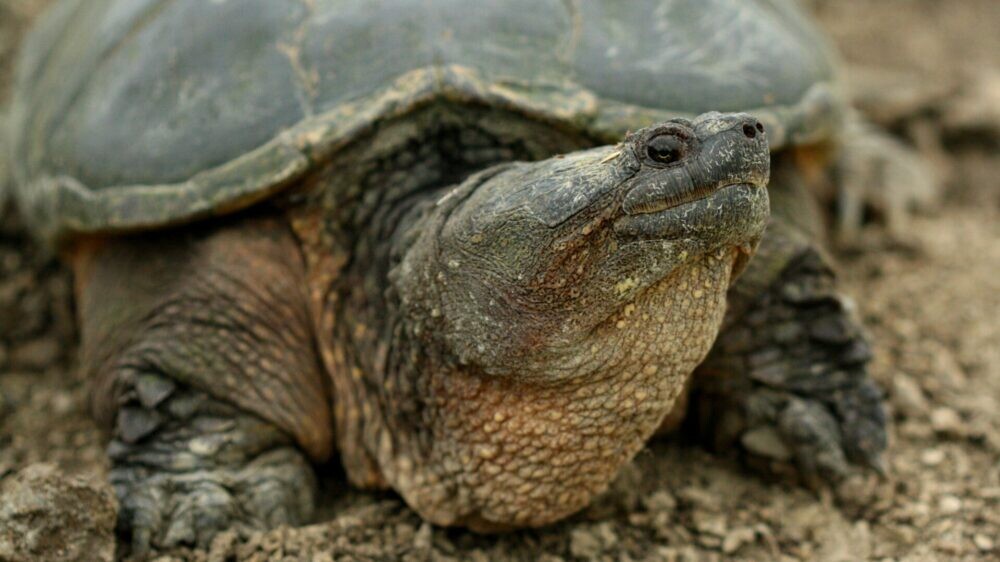
Currently, conservation groups are proposing to assign “threatened” status to about 30 species. Among them are monarch butterflies, snapping turtles and California spotted owls, as well as various species of snakes, fish, shellfish and insects.
Last week the Home Office significantly narrowed the range of activities considered to cause “harm” to animals. This will allow construction and other economic activities to take place in their habitats, provided that the animals are not directly killed or injured.
This week, officials also sharply reduced the amount of areas in the U.S. Rocky Mountains designated as critical habitat for Canada lynx.
Additionally, during a visit to Montana, Burgum said the U.S. Fish and Wildlife Service would give states where grizzlies live more authority to manage their populations. The expansion of these powers has long been sought by the Republican governors of Wyoming, Idaho and Montana, AP emphasizes.