



When Steve Jobs first presented a device in 2007 that combined a phone, a music player, and an internet communicator, few realized that this moment would mark the starting point of a new era. The world of mobile technology ceased to be just a means of communication, transforming into a full-fledged extension of human personality. Today, the development of the iPhone is not just a chronology of new model releases, but a true history of the transformation of human life, business processes, and global communication. We have traveled a path from tiny screens and slow internet to powerful pocket computers capable of replacing professional cameras, workstations, and gaming consoles. This is a story about how the pursuit of perfection and minimalism created a product that has become a true cultural phenomenon of our time.
From a “Brick” to a Work of Art: Key Design Stages
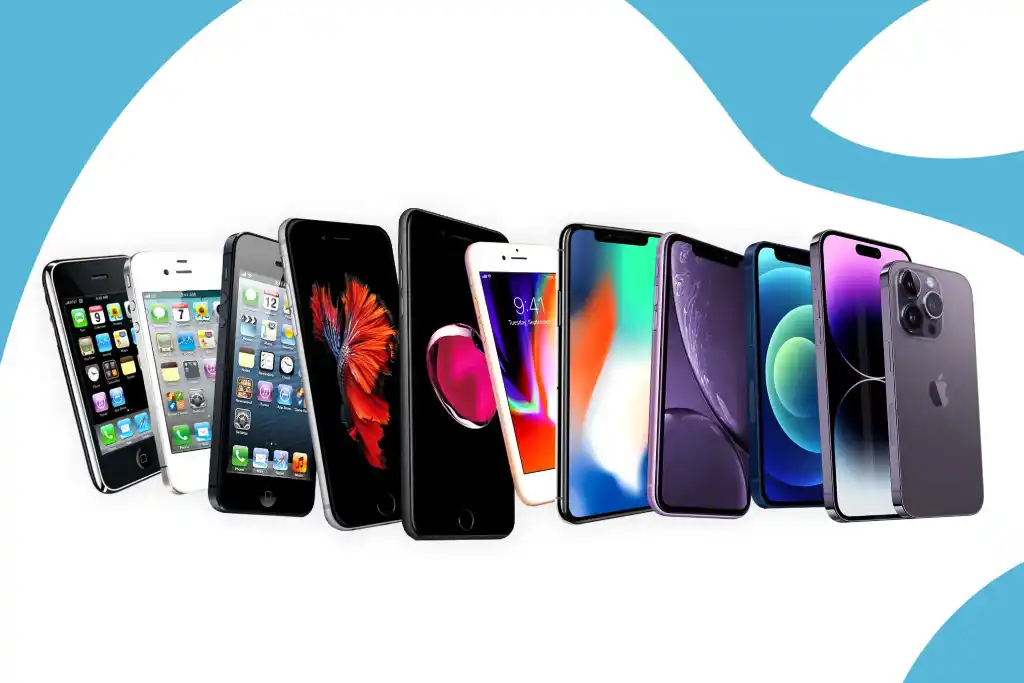
Apple’s design path is a constant search for the balance between aesthetics and ergonomics. With each generation, the device became thinner, stronger, and more pleasant to the touch, changing users’ perceptions of what the perfect smartphone should look like. The evolution of the appearance allowed the company not only to set trends for the entire market but also to create new standards of comfort that we now take for granted:
- The arrival of the Retina display, which made images incredibly sharp and detailed.
- The introduction of aerospace-grade aluminum and tempered glass housings, adding premium feel to the devices.
- The abandonment of the physical “Home” button in favor of a bezel-less screen and the Face ID facial recognition system.
- The use of surgical-grade stainless steel and titanium, ensuring unprecedented durability of the bodies.
- The integration of camera arrays into the design, which became the brand’s signature due to their functionality.
Each such change was not merely a cosmetic update, but a deep rethinking of human interaction with technology. Abandoning familiar elements always sparked debate, yet eventually, these very solutions became industry standards followed by manufacturers worldwide. Apple’s designers managed to turn a technological tool into a fashion accessory that complements the owner’s lifestyle, emphasizing their individuality and taste.
A Technological Leap: Performance That Impresses
The heart of every new Apple smartphone has always been the proprietary “A” series processor, which set new performance records every year. This allowed the company not only to optimize software performance but also to implement technologies that seemed like science fiction only yesterday. The development of hardware opened the door to the widespread use of artificial intelligence, augmented reality, and professional shooting on the go:
- The transition to a proprietary ARM architecture, which provided colossal energy efficiency under high loads.
- The implementation of the Neural Engine for automating photo processing and improving machine learning quality.
- Optimization of graphics cores, allowing console-level games to be run on a smartphone.
- Increasing the volume of fast RAM for stable performance in multitasking mode.
- Expanding wireless connectivity capabilities, including support for ultra-fast 5G networks.
Such power opened up limitless space for software developers’ creativity, turning the device into a true workhorse. Now, 4K video editing, heavy 3D model processing, or complex calculations have become accessible to everyone without the need to open a laptop. This is true mobile freedom, where technological might is hidden behind an elegant shell, ensuring smooth operation throughout all the years of using the gadget.
Ecosystem as the Main Advantage: More Than Just a Phone
The secret of the device’s success lies not only in the hardware but in a unique ecosystem that unites all gadgets into a single cohesive mechanism. Working in tandem with a watch, computer, or tablet allows one to experience what truly seamless data and service integration is. Apple managed to create a space where user comfort takes precedence over technical specifications, making daily routine tasks as simple and automated as possible:
- iCloud — cloud synchronization, ensuring access to photos and documents from any device.
- AirDrop — instant transfer of heavy files between devices without the use of wires or the internet.
- Security and privacy — protection of personal data at the level of processor architecture and the system.
- App Store — a reference platform with verified content and the highest quality applications.
- Apple Pay — a secure and fast payment system that completely changed the culture of shopping.
It is this synergistic effect that keeps millions of people loyal to the brand for many years. Every new iOS feature does not exist in isolation but expands the capabilities of the entire environment of devices, creating a single “living” organism. This is not just consumer tech, but a full-fledged digital world where security, speed, and convenience become the basic conditions, allowing one to focus on what matters most — one’s own life and creativity.