


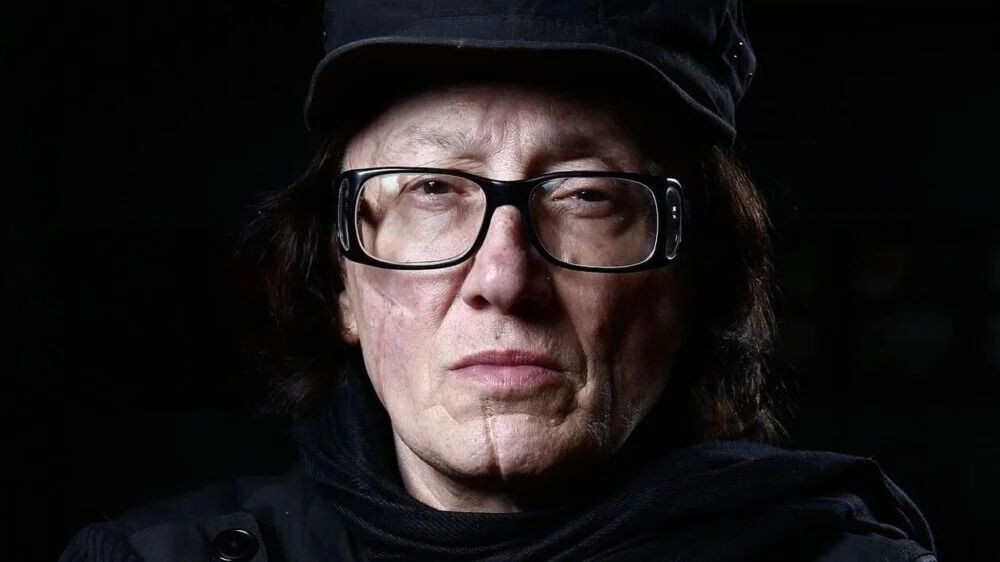

Last Sunday, Mikhail Shemyakin presented his book My Life: Before Exile at the Russian Samovar restaurant in Manhattan. The guests said: “The legendary Samovar, the legendary artist.” And this is truly so.
This is the English-language edition of the biographical book “My Life: Before the Expulsion,” published two years ago. The master’s fate was not easy: he experienced the difficult post-war Soviet years. But the main thing is that he never looked for easy ways. Moreover, he is not looking for them today: despite his well-deserved fame, financial stability, recognition, fans and, of course, critics, his work still excites and makes one argue.
Let me remind you: Mikhail Mikhailovich Shemyakin was born in 1943.
This book can be called autobiographical. But the autobiography of an artist and thinker working in the genre of fantastic realism and the metaphysical synthetism he created cannot be reduced to a simple list of facts. Although the facts themselves are extremely expressive: psychiatric examination, forced deportation from the country, pressure from the KGB and Soviet cultural officials. All this had to be experienced – and become a world famous artist. To understand how this became possible, the book is worth reading carefully.
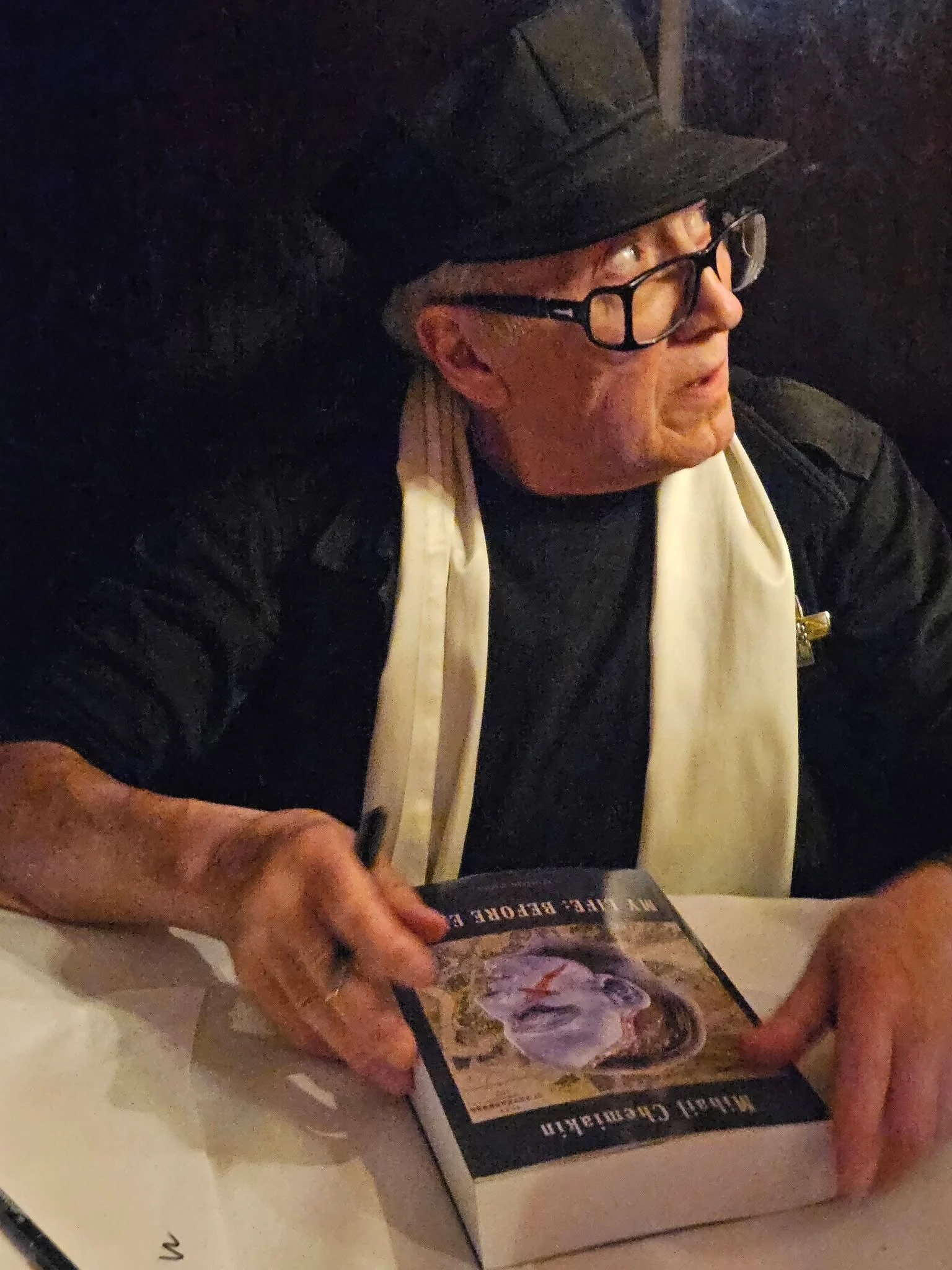
Those who have already read the book agree: this is not just a memoir, but a real adventure novel. It has a dramatic plot, colorful characters, reflections on art and creativity, humor and unexpected twists. No less interesting is the history of the artist’s family, the post-war Soviet Union and post-war Germany, where he spent part of his childhood.
“If you’re too lazy to read, there are pictures everywhere. It’s almost like a comic book: you will see me as a child, you will see how I misbehaved as a child. And what is unclear to the American and Western European readers is the drawings from the insane asylum where I was sent for compulsory treatment when I was arrested. I remember this unique establishment very well. And there were interesting crazy people there: I made their portraits and small chapters of what they were like,” says the author himself.
Critics write that fate brought Shemyakin together with unusual people: Old Believers, wandering monks, nonconformist artists and iconic figures of the Soviet religious underground. For millions of Soviet people, such meetings were unthinkable – many lived their lives without knowing about the existence of this world. For Shemyakin, this was not an accident, but a manifestation of character: the desire to look for the unusual, try it on, understand and remember.
Remember – so that one day you can feel and create an image, find color and texture for it, build an accurate composition and show it to the viewer. Whoever understands will end up on this side, whoever doesn’t understand will calmly move on, leaving no trace. This is God’s plan and providence: so that those who are able to see are born. A significant and extremely interesting part of Mikhail Shemyakin’s work is devoted to the search for these boundary phenomena.
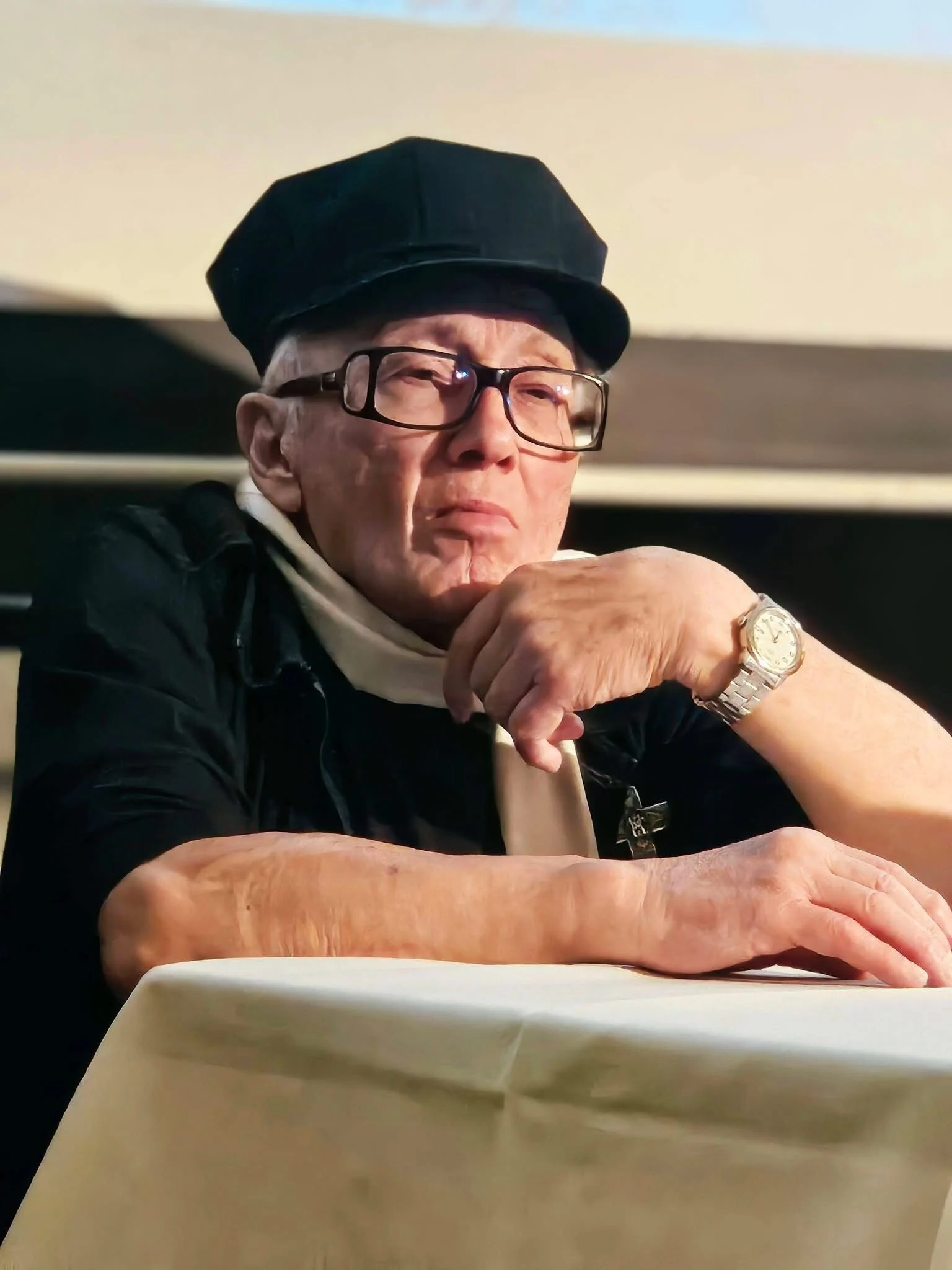
The legendary “Russian Samovar” turned out to be the most natural place to meet the master. There is no longer either the Mimi Ferzt Gallery or the Eduard Nakhamkin Gallery, and there is no much else either. So I’m already making a living with memories, while Mikhail Mikhailovich Shemyakin continues to present books, create sculptures, design “The Nutcracker” and write books. Recently, I do not remember such an intellectual and at the same time friendly meeting of the Russian community. Russian speech predominated, although among the guests there were many English-speaking admirers of his talent.
“I lived in America for 30 years, but there was so much work that I didn’t learn English. Now I’ve probably also been in France for 30 or 40 years: there’s so much work again that I haven’t learned French,” joked the hero of the evening.
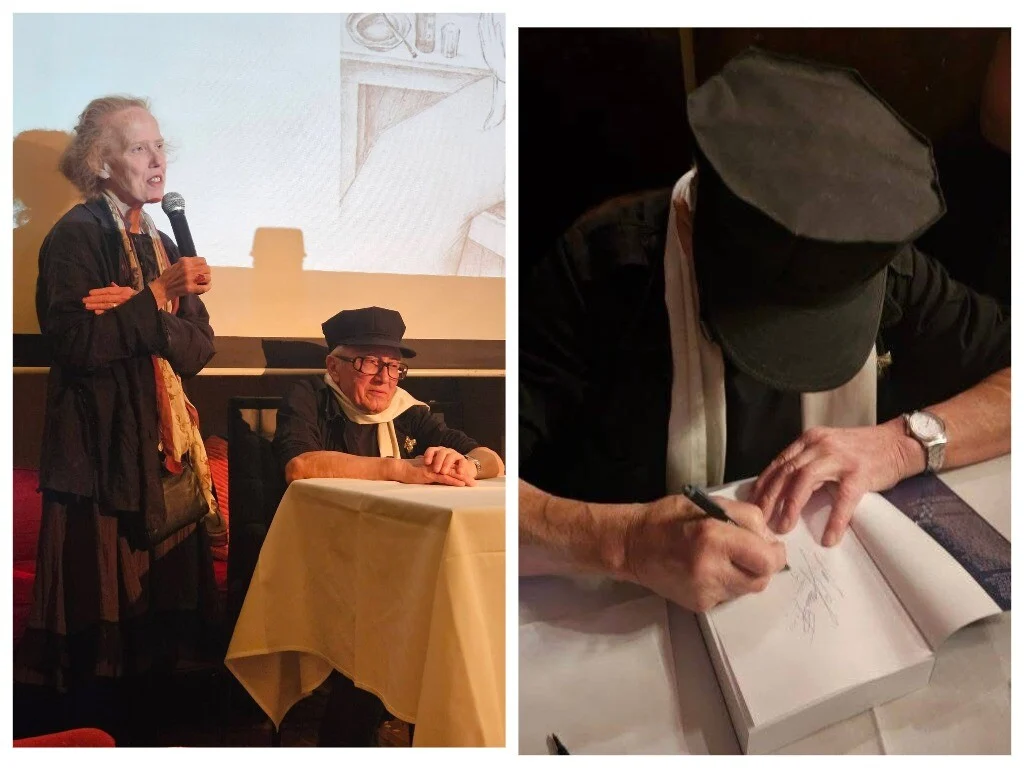
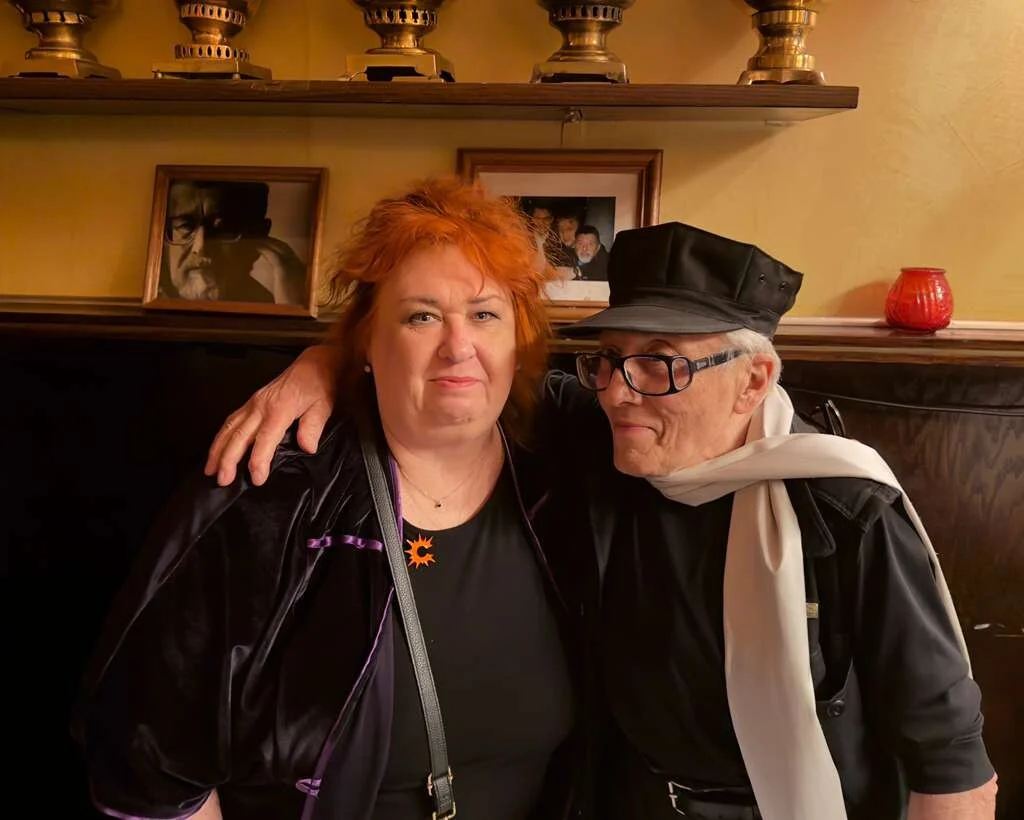
I expected that someone would certainly ask the traditional provocative question about large editions of lithographs or their price, but this did not happen. People came for whom such things had no meaning. They sincerely admired us, said warm words, and recalled interesting episodes from the past. We read poetry. They talked incessantly, like old friends. Then we stood in a noisy line for a long time to get an autograph. And, as often happens, no one wanted to leave. The nostalgic atmosphere of the “Russian Samovar” from the times of our youth was very conducive to this.
I would like to note one more important thing: the powerful direction of modern fantastic realism, which has come to life today in digital form on computer screens, largely came out of the “overcoat” of maestro Shemyakin. His “Carnival” series turned out to be so rich in images and meanings that it continues to give rise to magical characters who now live in reels, videos and other digital formats. The maestro himself, according to him, did not notice this and only said: “I just worked all my life. I worked all the time.”
—Where will contemporary art lead us? — I asked a direct, naive, but very important question.
“Everything is returning to normal,” Shemyakin said. “So art, having gone through everything, will return to the starting point of its circle.”
– In what form? What will the artist use, what will he have in his hand?
“Pencil, brush. That’s what it should be.”
And we have to agree with this.



POPULAR ARTICLES