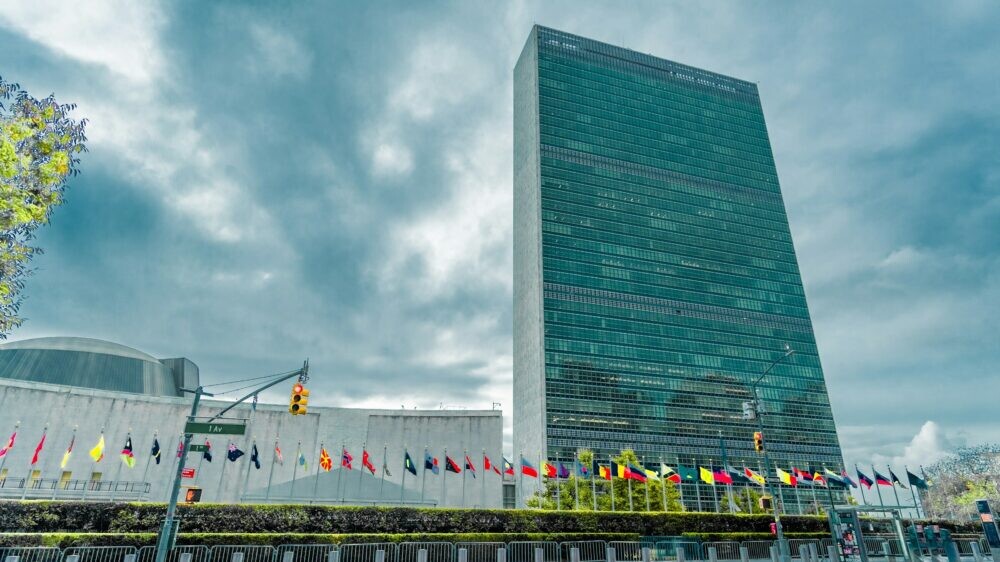

On Thursday evening, 52-year-old activist Lobga Rangtsen walked outside the United Nations (UN) headquarters in New York and committed self-immolation. We tell you what we know.
At approximately 6:30 p.m., Rangtsen arrived at the intersection of 42nd Street and 1st Avenue with a Tibetan flag, inserted it into the road barrier, left his belongings nearby and went live on Facebook. After this, the activist doused himself with fuel and set himself on fire. He stood motionless for several seconds, and then staggered and fell to the ground.
NEW: Man who set himself on fire outside UN headquarters in New York identified as Tibetan activist Lobga Rangzen, according to the Voice of Tibet. https://t.co/cHVwrn7g5B pic.twitter.com/y7JjjC7f4F
— Open Source Intel (@Osint613) July 3, 2026
When police and firefighters arrived on scene, they found the man badly burned. Leaflets “condemning the occupation of Tibet” were found nearby. Rangtsen was taken to Bellevue Hospital, where he later died. A few hours before the incident, the activist updated his Facebook profile photo and posted a video calling for Tibetan independence and unity.
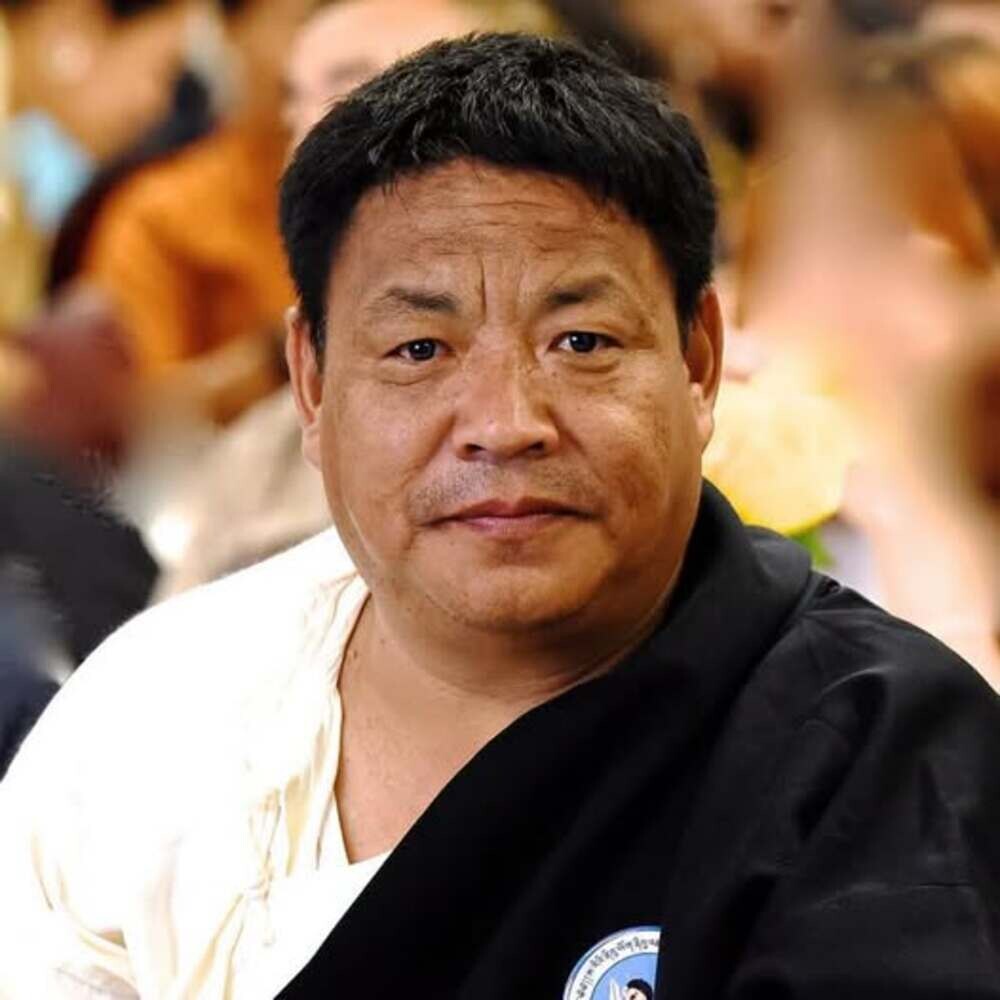
Lobga Rangzen / Facebook
The man was born in the Kham region of Chinese Tibet and went into exile in the 1980s, according to the New York Times. He studied at a Tibetan monastery in India and then moved to the United States, where he worked in construction and eventually became an Uber driver. Throughout his residence in the United States, he was an active participant in the Tibetan community.
Rangzen's Uber colleague Lobsang Paljor told amNewYork that he knew the man from meetings there. He said Rangtsen was outraged by the “restrictions that the Chinese government imposed on his countrymen,” including the language they could learn.
“They [тибетцы] must speak Mandarin, they must learn Chinese. They must read this literature, they cannot study anything else. This is the main thing that bothered him. I'm very sad. He [Рангцен] Shouldn’t have done that,” Paljor said.
According to Tibetan writer and another friend of Rangtsen, Jamyang Norbu, the activist in China had a brother who was in prison. Rangtsen himself was a “cheerful and generous” person, Norbu added.
The protest marked the first known case of a Tibetan self-immolating in the United States, according to Tenzin Dorje, director of research and advocacy at the Tibet Action Institute, who was friends with the victim.
“[Рангцен] came to every protest we ever organized. For him there was no other goal or value in life that was higher than national liberation. This was the only thing that occupied and absorbed him,” Dorji emphasized.
China established control over Tibet and its neighboring regions in 1950, controlling the clergy and monasteries and emphasizing language policy, writes The New York Times. Self-immolations in the country were initially carried out by monks, but then they were joined by nomads, farmers and other dissatisfied people, the publication notes.
“Since 2009, more than 150 Tibetans have self-immolated themselves in China in protest of Beijing’s harsh campaign against what it views as Tibetan separatism,” the NYT adds.
Presumably, the action near the UN building is related to the new law “On Ethnic Unity” adopted in the PRC, Reuters reports. The regulation creates a “common” national identity among the country's 55 ethnic minorities, including Tibetans and Uighurs, some of whom are unhappy with Chinese rule, the news agency explains.
“Issues related to ethnic minorities are extremely sensitive in China, where Tibetans and other minorities are closely monitored for any signs of alleged separatism,” Reuters said.
At the same time, international human rights organizations, the Tibetan government-in-exile and emigrants regularly condemn what they call China's “heavy-handed rule” in the Tibet Autonomous Region, and Beijing rejects such assessments.
Asked about the self-immolation at a daily news conference on Friday, Chinese Foreign Ministry spokesman Guo Jiakun said that “Tibet has been an integral part of the country's territory since ancient times” and Beijing believes that “relevant countries will resolve the issue in accordance with national laws,” Reuters reported.