



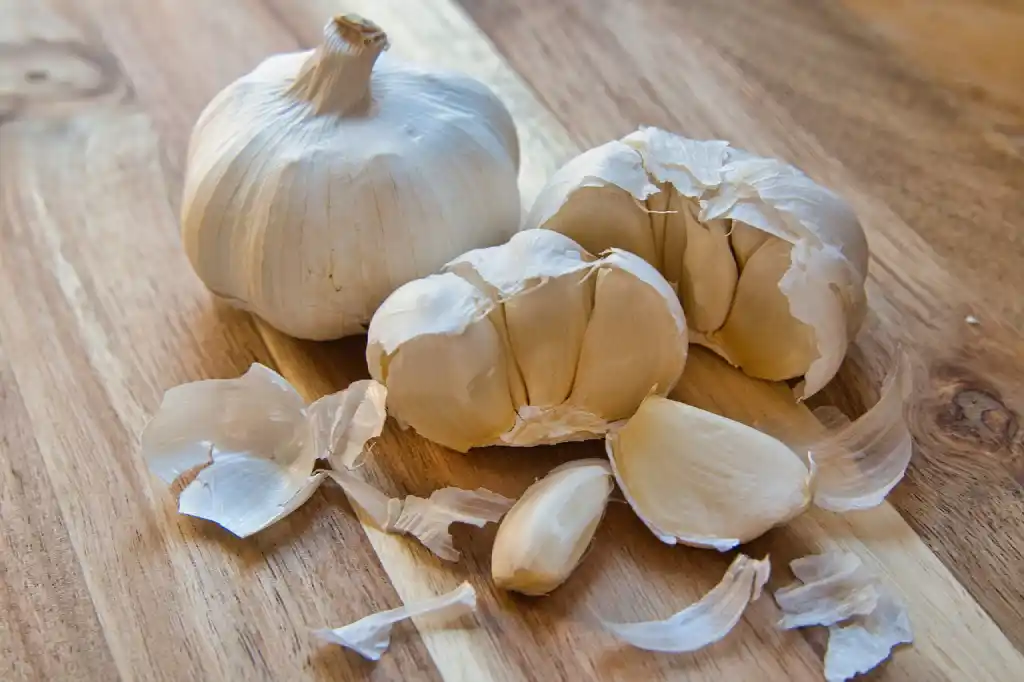

In the world of gastronomy, there are products that do not just add flavor accents, but fundamentally change the philosophy of every dish, turning an ordinary dinner into a true ritual. One of these indispensable ingredients has accompanied humanity for millennia, having traveled the path from a sacred gift to the gods in ancient temples to a mandatory component of a modern healthy diet. This pungent, savory bulbous plant has become a true standard of culinary art, without which it is impossible to imagine the majority of national cuisines of the world. The world-famous Garlic is not just a savory seasoning, but a true storehouse of natural power capable of protecting against ailments and turning even the simplest food into a masterpiece. But what hidden talents does this humble resident of the garden have, and why is it so valued by both chefs and doctors?
Artifact from the Depths of Ages: History That Smells of Legends
The journey of this crop began many centuries ago in Central Asia, from where it spread to the lands of the Mediterranean, becoming an integral part of the cultural heritage of many civilizations. Ancient Egyptians consumed it to maintain the physical endurance of workers building the pyramids, considering the plant a magical source of energy. The subsequent development and use of this spice in different cults looks extremely impressive:
- Ancient Greek athletes consumed it before competitions as a natural stimulant to improve physical endurance.
- Ancient Roman legionaries took pungent cloves on campaigns to strengthen their spirit and protect their bodies from infections.
- In Medieval Europe, it was considered the most effective remedy against mythical creatures and epidemics that ravaged cities.
- Asian healers used the crop as a key element of detoxification and cleansing of the body’s internal systems.
- Modern gastronomic schools have turned it into a base for complex sauces, marinades, and exquisite restaurant-level appetizers.
This list only partially reveals the incredible role of the product in world culture. The belief in the magical properties of the plant was supported by real results: people indeed got sick less often, and their strength recovered faster after hard labor. With the passage of time, the mystical aura disappeared, giving way to serious scientific studies that confirmed its unique chemical composition, making the product indispensable for maintaining the vitality of a modern person.
Laboratory of Taste: Chemical Code and Culinary Role
The culinary magic of this vegetable lies in a special substance — allicin, which is released only upon mechanical damage to the clove and is responsible for that very recognizable pungent aroma. It is because of this component that the plant has become the main ally of chefs in creating deep, multi-layered flavor shades. The use of this spice allows for the harmonious combination of products that seem incompatible at first glance, thanks to the following unique properties:
- The ability to enhance the natural taste of meat, poultry, mushrooms, and vegetables without the use of artificial enhancers.
- A variety of processing methods: caramelization of whole heads in the oven for a gentle, creamy taste.
- Use as a base for infused oils, which become the final chord of many restaurant dishes.
- The possibility of long-term marinating to reduce aggressive pungency and obtain sophisticated savoriness.
- Use in dried or powdered form for a softer and more uniform flavoring of dishes.
These techniques allow for regulating the intensity of the impact on the receptors, turning bold pungency into a barely perceptible elegant note. Proper use allows one to achieve a balance where the product only emphasizes the main idea of the dish without overpowering it with its own dominant character. This art requires intuition and an understanding of chemical processes from the chef, as upon overheating, the taste can become bitter, and with insufficient processing, it can be too harsh for a delicate menu.
Natural Shield: Benefits for the Organism in the Modern Era
Today, in an era of constant stress and environmental challenges, supporting the immune system becomes a priority for everyone. The plant acts as a powerful immunomodulator, helping the body resist external threats at the cellular level. Regular consumption of this product in moderate amounts contributes to the comprehensive improvement of the cardiovascular and digestive systems. Scientists highlight the main benefits for health:
- Lowering the level of “bad” cholesterol, which helps strengthen the walls of blood vessels and improves blood circulation throughout the body.
- The presence of phytoncides, which actively fight pathogenic microorganisms, viruses, and bacteria that enter the body.
- Influence on metabolic processes: moderate stimulation of digestion helps digest heavy food more easily and accelerates metabolism.
- Antioxidant action: protection of cells from the destructive action of free radicals, which slows down aging processes.
- Support of the nervous system tone due to the presence of B vitamins and important microelements in its composition.
Although this product is not a panacea for all diseases, its role as an auxiliary agent in the diet is hard to overestimate. Integrating the spice into a daily menu becomes a simple and effective way to invest in one’s own longevity. Of course, it is worth remembering individual characteristics and moderation, as excessive enthusiasm for even the most useful products can have the opposite effect. Harmony in nutrition is the key to health, where this fiery healer deservedly occupies an honorable place, making life tastier and the organism more resilient.