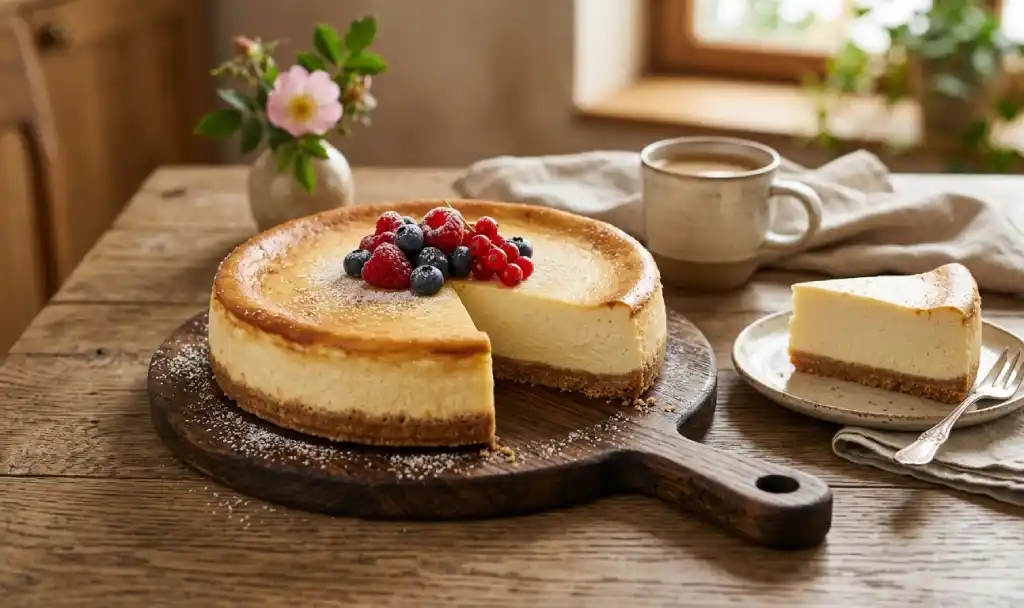




Modern gastronomy has long moved beyond simply satisfying hunger, transforming into a complex culture of impressions, emotions, and aesthetic pleasure. We carefully select main courses and evaluate a chef’s skill by the quality of their sauces, but the real culinary miracle almost always remains for the end. This magical moment, when an elegant plate with a bright accent appears on the table, marks not just the conclusion of a dinner, but a transition into a space of pure indulgence. The sacred final chord of any banquet is the dessert, which is designed not to fill the stomach, but to grant a feeling of celebration, lightness, and harmony, leaving behind a long and pleasant taste memory. How did the simple desire to top off a hearty meal with something sweet evolve into high confectionery art, and why does our perception of culinary science remain incomplete without this finale?
From Fresh Fruit to Molecular Magic: The Historical Path of Sweets
The word we use today to describe final dishes has refined French roots and literally means “to clear the table,” which directly points to the change of stages in a feast. In ancient times, when sugar was an incredible luxury available only to rulers, confectionery culture developed around natural gifts and bee honey. Over millennia, the tradition of the sweet finale has undergone a complex and fascinating evolution, changing its shape and meanings:
- The Ancient East: treating guests to dates, figs, nuts, and dried fruits mixed with aromatic honey and spices.
- Ancient Greece and Rome: serving fresh fruits, berries, sweetened wine, and light barley cakes at the end of prolonged feasts.
- Medieval Europe: the appearance of the first candied fruits, marmalade, and complex pies prepared exclusively for royal courts.
- The Colonial Era: the mass import of cane sugar, cocoa beans, and coffee, which triggered a real boom in the creation of chocolate and pastries.
- Modernity: the flourishment of molecular gastronomy, where familiar tastes are transformed into foam, gels, edible gold, and unexpected textures.
With the appearance of affordable sugar and industrial refrigeration equipment, confectionery turned into a distinct science with precise chemical proportions. Confectioners became true architects who calculate temperature modes with the precision of a single degree to create the perfect mirror glaze or weightless soufflé. The tradition of finishing a meal with something special outgrew the boundaries of aristocratic privilege and became accessible to everyone, while preserving its main purpose — creating a festive atmosphere around the table.
Global Geography of Taste: Classification and Cultural Characteristics
Today, the confectionery map of the world impresses with its diversity, as each nation has created its own unique recipes reflecting national character, climate, and mentality. Some prefer heavy, buttery cakes that require hours of painstaking labor, while others choose icy coolness or natural simplicity. Depending on the serving temperature, texture, and primary components, all sweet masterpieces can be divided into several large categories:
- Chilled and frozen — refreshing ice cream, fruit sorbets, granita, parfait, and various jellies that are ideal for the hot season.
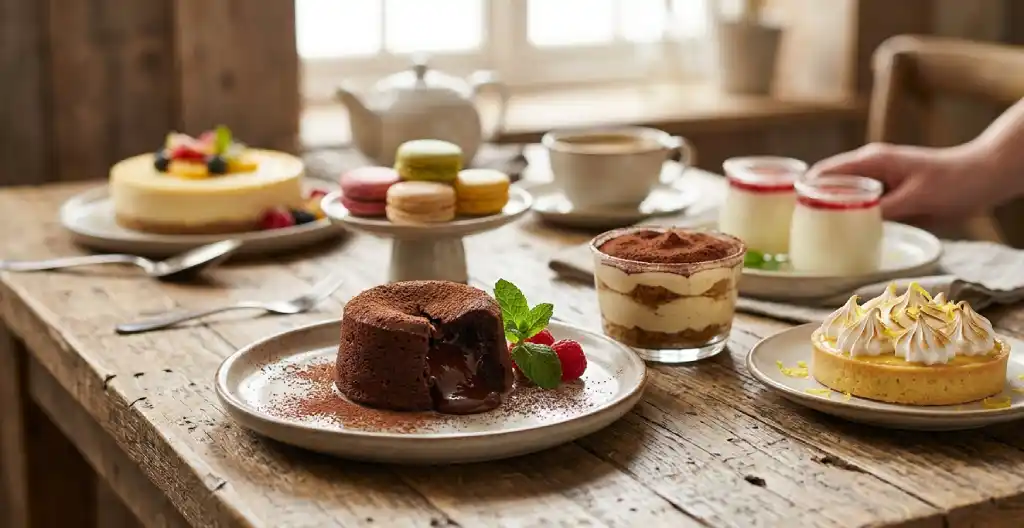
- Hot baked goods — aromatic apple strudels, chocolate fondants with a liquid center, freshly baked croissants, puddings, and tarts.
- Complex cream and mousse creations — multi-layered cakes, pastries, eclairs, and mousses based on heavy cream, mascarpone, or textured chocolate.
- Authentic Eastern sweets — rich baklava, Turkish delight, halva, and sherbet, which feature a high content of nuts, honey, and spices.
- Fruit and berry compositions — light salads, flambéed fruits, mousses, and berry soups that emphasize the natural taste of the products.
This distribution allows chefs to perfectly match the finale with the overall concept of a lunch or dinner. For example, after a heavy, hearty meat meal, European etiquette recommends serving a light sorbet or citrus tart, which refreshes the palate and improves digestion. Conversely, a light summer dinner can conclude with a richer chocolate or nut masterpiece, creating an ideal gastronomic balance and satisfying the most demanding gourmets.
New Trends: How Conscious Consumption Changes the Confectionery World
In the third millennium, the philosophy of nutrition is undergoing cardinal changes, and the confectionery industry is immediately responding to the demands of society. Modern people no longer want to choose between pleasure and health, so classic heavy recipes with an excess of sugar and trans fats are gradually fading into the past. Today, confectionery art is moving toward lightness, naturalness, and inclusivity, offering amazing new alternatives for everyone:
- Raw desserts: sweets made without thermal processing, where the base consists of nuts, dates, coconut oil, and superfoods.
- Vegan and lactose-free options: the use of plant-based milk (almond, coconut) and aquafaba instead of egg whites.
- Projects without added sugar: the application of natural sweeteners like stevia, erythritol, or concentrated fruit juices.
These innovations prove that avoiding certain traditional components does not impoverish the taste, but on the contrary — opens new horizons for creativity. Modern sweet dishes are becoming as light as a breath of wind, allowing one to enjoy the finale of a meal without a sense of guilt or heaviness. This is a manifesto of a new lifestyle, where care for one’s own body harmoniously combines with high gastronomic culture, leaving the dessert its main role — to be a pure, uncompromising source of joy and inspiration.