



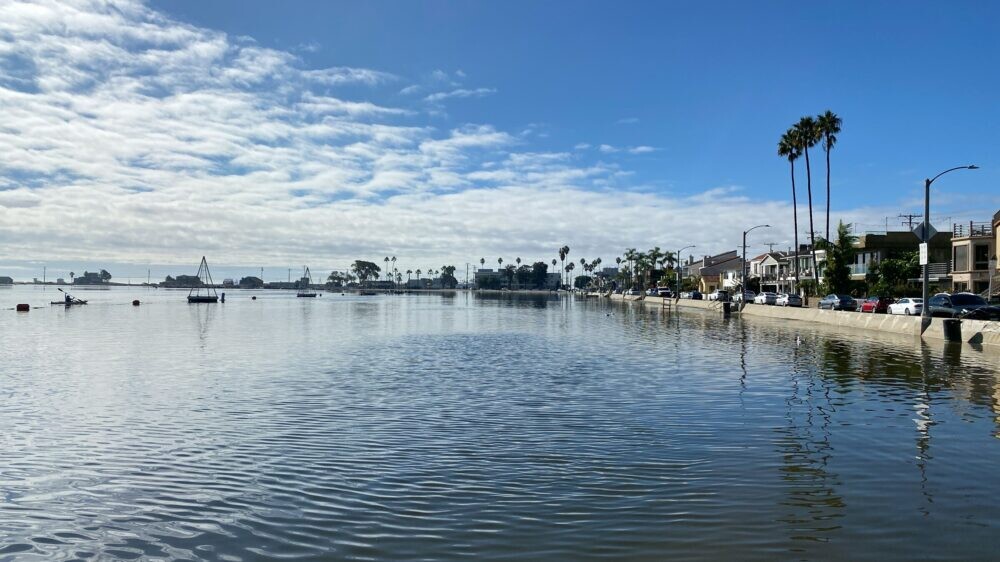

The intensifying El Niño climate phenomenon could lead to the highest water levels on record off the California coast, increasing the risk of widespread and destructive flooding, writes the Los Angeles Times (LAT).
In an interview with the publication, Mark Merrifield, director of the Center for Studying the Impacts of Climate Change and Adaptation to Them at the Scripps Institution of Oceanography at the University of California at San Diego, emphasized that the phenomenon could hit Southern California in the form of heavy downpours and debilitating heat waves.
The specialist presented a NASA satellite image that shows sea levels in the eastern Pacific Ocean are already half a foot (15 cm) higher than normal. By fall and winter, “water levels should be well above the average seasonal cycle,” he stressed.
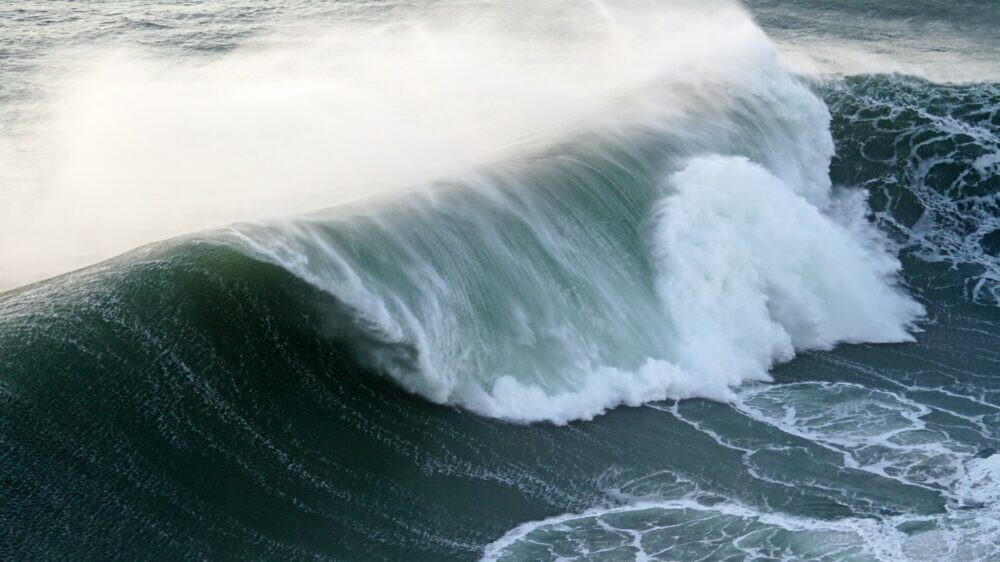
“Flooding along the Southern California coast is likely to be a significant problem during the winter season. This combination of high waves, high sea levels, high tides and heavy rainfall will lead to significant coastal flooding, saltwater intrusion into groundwater and coastal erosion,” Merrifield said.
Previously, due to severe erosion caused by recent tides and waves, Malibu's famous beaches and roads to them were closed due to a threat to the health of vacationers.
El Niño is a natural climate cycle in which temperatures in the central and eastern equatorial Pacific Ocean become at least 0.9°F (0.5°C) above normal. This climate phenomenon influences weather patterns, air temperatures and storm tracks.
The natural phenomenon also creates heat domes—vast areas of high pressure that, over a period of days or weeks, contribute to the formation of hot and dry conditions within it. This led to abnormal heat throughout almost the entire United States. The resulting high temperatures have caused a range of hazards, from natural disasters to deaths and threats to human life.
Any rise in water levels caused by El Niño will only exacerbate the overall trend driven by human-caused climate change, Merrifield said. The changes will affect regions ranging from the San Francisco Bay to San Diego County, and will impact the Sacramento and San Joaquin River Deltas, he emphasizes.
The most notable peaks were observed during El Niño periods in 1982-1983, 1997-1998, and in 2023-2024, when severe flooding affected parts of Los Angeles and Ventura counties and a powerful wave hit a dam, injuring eight people, LAT said.
The World Meteorological Organization's (WMO) monthly review of seasonal climate changes shows that El Niño will continue to strengthen and reach its peak between August and October 2026. The department separately emphasizes that the water in the western part of the Indian Ocean is becoming warmer on average, and colder in the eastern part.
The combination of all these oceanic factors could exacerbate regional climate impacts, including droughts, floods and the risk of wildfires around the world, the meteorological organization said.
“El Niño is one of the most closely monitored climate events in the world. But forecasts themselves do not prevent danger; people do that. This El Niño, set against a backdrop of unprecedented warming ocean and global temperatures, gives governments and communities the opportunity to anticipate risks and act before they occur,” said WMO Secretary-General Celeste Saulo.
As RTVI previously reported, rising ocean temperatures will temporarily shift the habitats of several species of sharks off the California coast to the north, as well as stingrays, tropical fish, birds and sea snakes that usually live further south.