
An anonymous hacker originally from Russia received $15,000 from the American electric car manufacturer Tesla for each software bug found before playing a key role in the high-profile case of a fatal accident in 2025, writes Business Insider (BI).
The accident occurred on the morning of April 25, 2019 in the city of Key Largo in Florida. The Tesla S, driven by George McGee, rammed a guardrail at about 60 mph (about 100 km/h) and a car stopped behind it, next to which were Nybel Benavidez and Dillon Angulo. The Autopilot partial autopilot in the Tesla car did not notice the obstacle and continued driving while McGee tried to find the phone that had fallen out of his hands in the car.
Benavidez died as a result of the accident, and Angulo, who received serious injuries, filed a lawsuit against Tesla and won $243 million from the company in 2025. He was personally awarded $23 million, the family of his deceased lover – about $20 million, and the rest of the amount was assigned as a record fine for Elon Musk's company. It will also have to be divided among the victims.
As BI found out in a conversation with the hacker himself, who hides under the pseudonyms Green and GreenTheOnly and has lived in the United States for more than 20 years, the man became interested in how the computers in Tesla cars worked after purchasing a Model X in 2017. Finding errors in the operation of the systems, he sent them to the company through the Bug Bounty program (“Bug Hunt”), and then went directly to the administration of the brand.
The reason for the contacts was Green’s suspicions that Tesla illegally used open-access code in its developments and did not share it. The company cooperated with the engineer to avoid legal problems and began paying him $15,000 for each new bug discovered.
Angulo's lawyers came to Green later due to problems with decoding black boxes in Tesla during the investigation into the accident. The company claimed that it could not detect a recording of an accident on its servers, which was supposed to be automatically transmitted when using Autopilot, and suggested that victims independently start the computer removed from the car.
The Russian programmer agreed to cooperate with the victims and created a virtual copy of the equipment in order to study the code preserved on it. It turned out that it contained records of the transfer of video of the accident to Tesla servers, contrary to the official position of the company. Green added that launching the computer, which Tesla representatives proposed to do, would lead to the deletion of the video itself from the device, since it had already been transferred to the cloud.
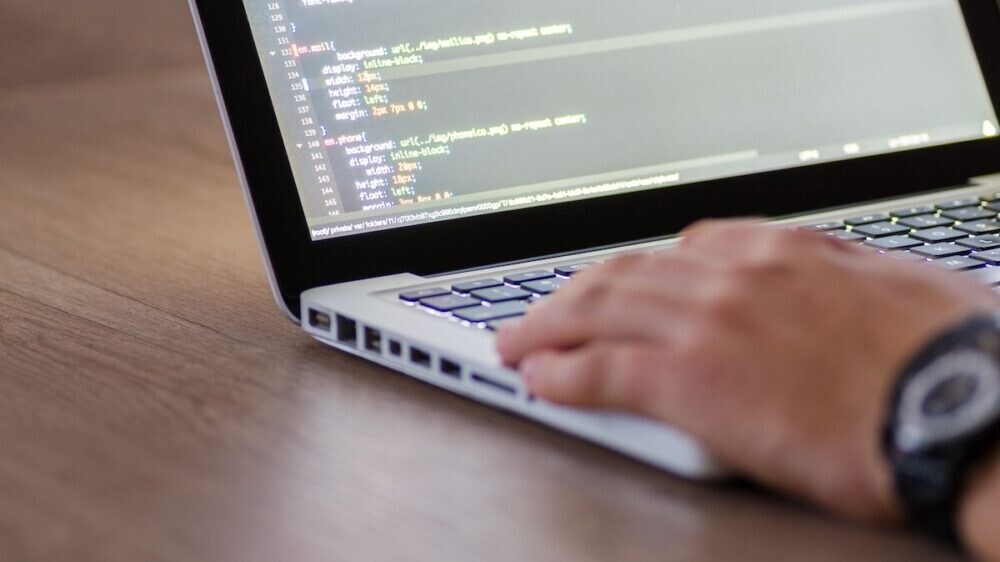
The programmer was eventually able to extract all the necessary data using his own methods, rather than Tesla software. As BI notes, his work, which ultimately brought millions in compensation to victims and hundreds of millions in fines for Tesla, was carried out in front of Angulo’s lawyers on a laptop in a coffee shop over a cup of mint cocoa.
Lawyer Todd Pozes did not specify in a conversation with the publication the possible fee of a native of Russia for this cooperation. BI characterizes Green as a reclusive, middle-aged man with hair in a ponytail. He lives in Nashville, Tennessee, and spoke to the publication by phone with a “noticeable Russian accent.”
Tesla's Autopilot project manager, David Shoemaker, was forced to admit in a Miami court that the company did indeed remove video of the high-profile crash from its servers, but stressed that this likely happened by accident during regular cleaning. The jury ultimately blamed Tesla for 33% of the crash and McGee for the rest. Tesla was the only defendant in Angulo’s lawsuit, and therefore it was ordered to recover compensation from it.
Tesla continues to try to challenge the verdict, but last February it already lost its first appeal in the US Federal District Court for the Southern District of Florida. Judge Beth Bloom, appointed under President Barack Obama, said in her decision that the evidence in the case suggested the original verdict was correct.