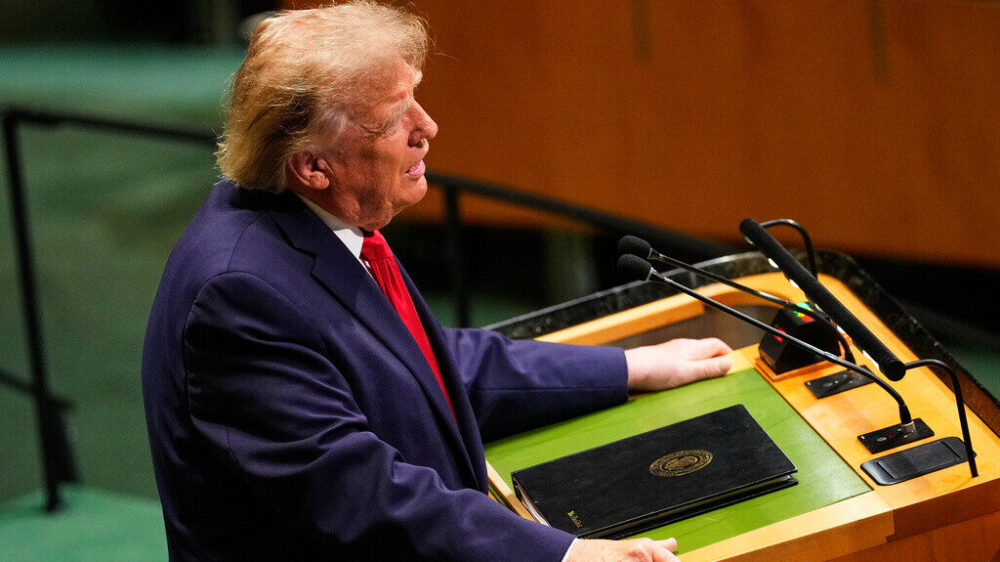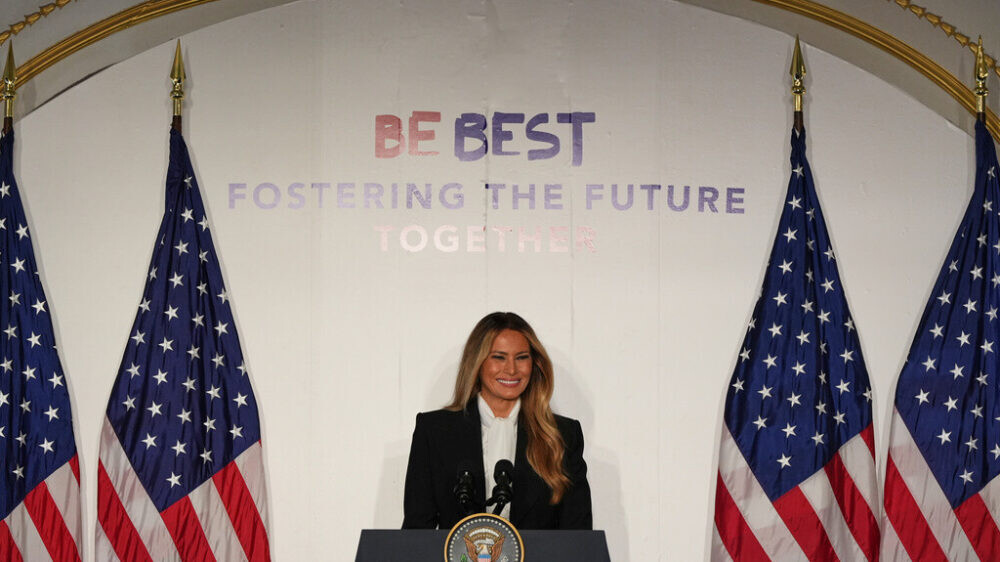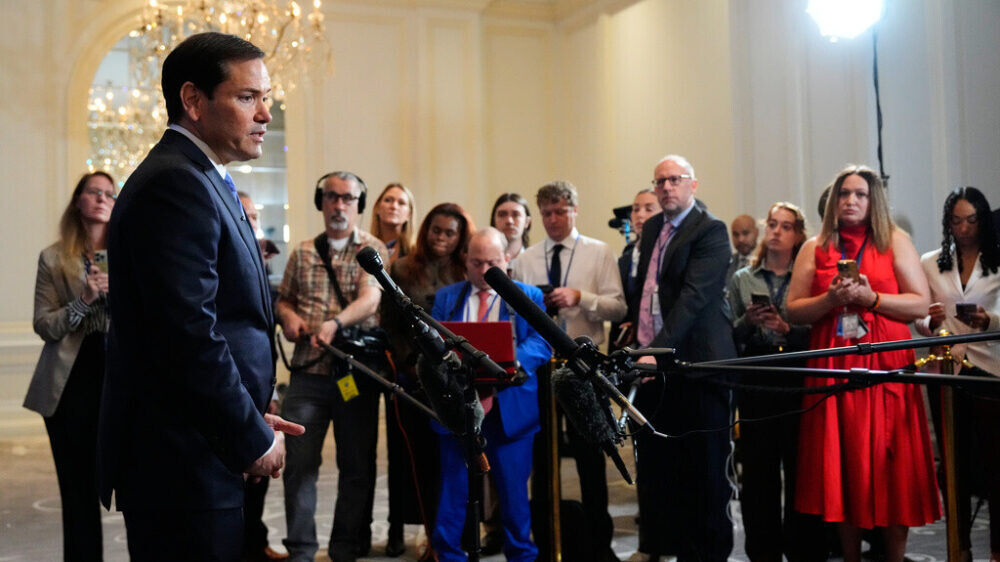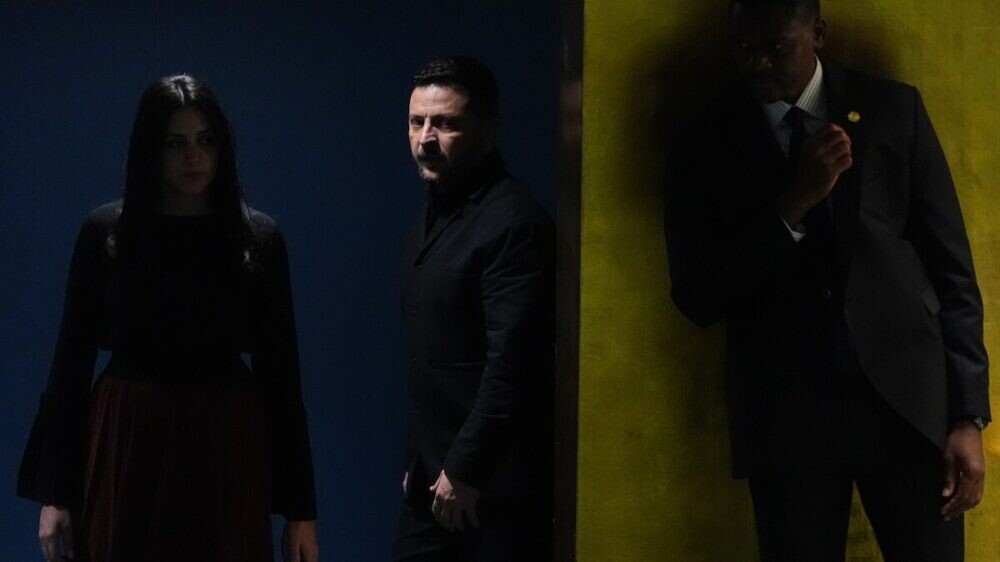




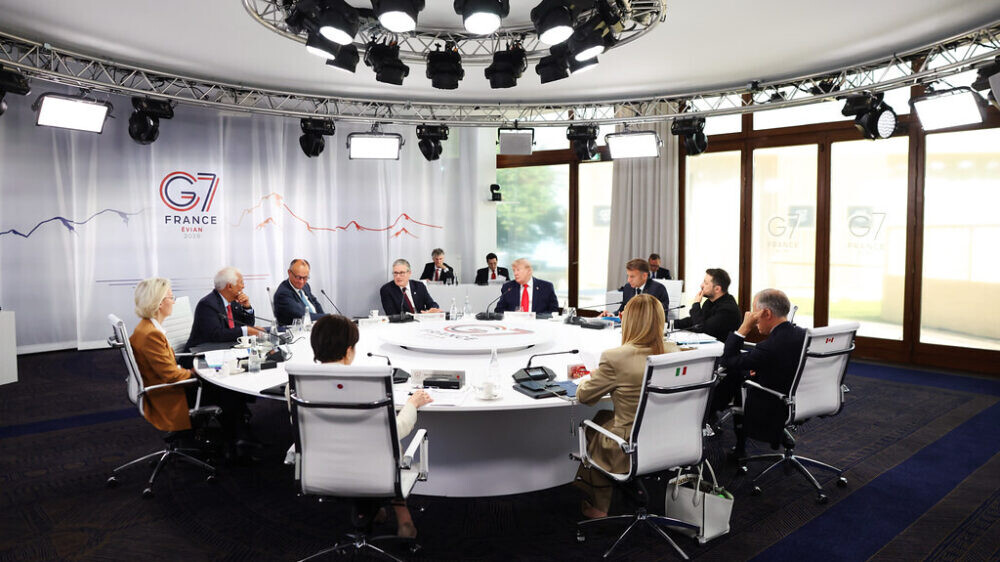

European Commission President Ursula von der Leyen refused to make public correspondence with European leaders and Ukrainian President Vladimir Zelensky, which prompted an investigation by EU Ombudsman Teresa Anginho. In an informal group chat, the heads of state coordinated their response to the actions of US President Donald Trump.
In addition to Zelensky and von der Leyen, the non-public communication channel was used by German Chancellor Friedrich Merz, French President Emmanuel Macron, as well as Italian and British Prime Ministers George Meloni and Keir Starmer (who announced his resignation on Monday).
The reason for initiating the investigation was a complaint from the Dutch publication Follow the Money, which requested correspondence back in January, but was refused by the head of the European Commission, since the publication of the material could “complicate the EU’s international relations with third countries.” A new complaint was filed on May 21.
“The applicant alleged that the commission did not conduct an individual assessment of the requested documents and did not consider the possibility of granting partial access. In his opinion, the commission did not sufficiently substantiate the existence of specific damage to the interests being defended and did not provide any information about the existence, storage and use of these messages,” the ombudsman’s website says.
Anginho will check whether the EC violated transparency rules. A meeting with representatives of the authority is scheduled for July 19, and the investigation itself may take several months. As of June 25, it is ongoing, then its preliminary and later final results should be published.
The contents of the correspondence of the so-called “Washington Group” are not disclosed. At the same time, some media outlets managed to react to the publication of materials. Italian publication L'Identità described the chat as “embarrassing Brussels.”
“The EU has always been a champion of administrative transparency. An official Ombudsman investigation into this matter undermines confidence in the entire system. The fact that the chat included discussions about how to deal with the new US administration makes the matter geopolitically sensitive,” the news portal notes.
The German newspaper Berliner Zeitung compares the investigation to the Pfizergate scandal, which erupted around the EU's purchase of Pfizer's COVID-19 vaccine in 2021. Then Ursula von der Leyen concluded the largest deal in EU history with the pharmaceutical giant for the supply of drugs worth €35 billion. At the same time, at that time they had not yet passed all stages of clinical trials.
At the height of the pandemic, officials conducted secret negotiations and then tried to hide these agreements from the public. Communication was carried out in the format of communication via SMS with Pfizer CEO Albert Bourla. The Ukrainian publication Kiev Post characterizes the situation as “another dispute about transparency.”
As the British newspaper The Independent clarifies, the group of leaders, which is called “informal but active,” was created after European representatives visited the White House with Zelensky in August last year. This was his next visit to Trump after the scandal, when the head of the White House and US Vice President J.D. Vance accused Zelensky of “ungratefulness” and offered to return when “he is ready for peace” with Russia.
It was in January that Politico first reported on the so-called “Washington Group.” The publication's source said at the time that the leaders exchanged messages whenever Trump did or said something potentially dangerous, such as a possible refusal to supply weapons to Kyiv or threats to seize Greenland by American forces.
As of this writing, officials from none of the states involved in the chat have commented on the investigation.