


A potential “super El Niño” climate event could not only change weather patterns, but could also increase the risk of hantavirus infections in some regions of the United States, reports Newsweek with reference to experts. This is due to an increase in the population of rodents that carry the disease due to weather anomalies.
The US Centers for Disease Control and Prevention (CDC) identified a strain of hantavirus in 1993 during an investigation into a mysterious respiratory illness. It was often fatal in the region, which includes the states of Arizona, Colorado, New Mexico and Utah, the publication notes.
According to the CDC, as of the end of 2023, there have been 890 cases of hantavirus infection reported in the United States since monitoring began in 1993. All of these cases were confirmed by laboratory tests and included hantavirus pulmonary syndrome and its non-pulmonary forms.
El Niño, a natural climate cycle that causes temperatures in the central and eastern equatorial Pacific Ocean to be at least 0.9°F (0.5°C) above normal, may affect the spread of the disease. This climate phenomenon influences weather patterns, air temperatures and storm tracks.
Due to climate change, the current phenomenon could be particularly powerful, which is why experts added “super” to the name. Its probability, according to recent forecasts, is more than 80%. RTVI.US previously wrote about what exactly it threatens for the United States.
“More rain means more vegetation, and more vegetation means more rodents, and more rodents means a higher risk of hantavirus,” Washington State University associate professor Stephanie Seifert told Newsweek.
El Niño is known to influence a variety of weather patterns, such as a weakening of the Atlantic hurricane season and increased rainfall during the monsoon season in the southwestern United States, AccuWeather senior meteorologist Tom Kynes told Newsweek.
“Although some of the effects of El Niño will not appear until late winter, an increased risk of heavy rainfall in the Rocky Mountains and Southwest could begin as early as June,” the expert said.
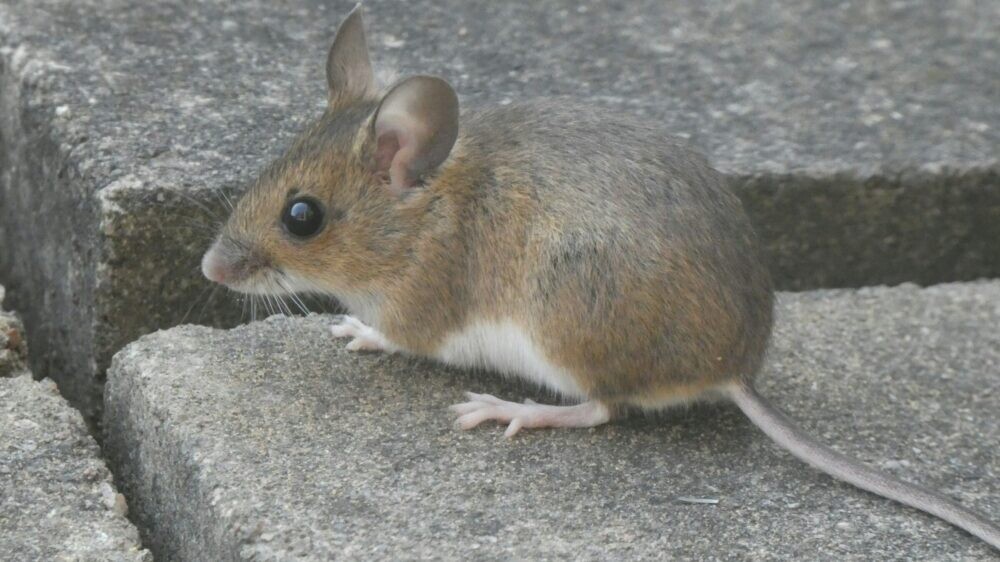
These weather conditions may affect the western deer mouse population that carries hantavirus. Due to the natural phenomenon, they can migrate and also take up residence in homes, especially during the winter months, increasing the risk of infection.
According to the World Health Organization (WHO), hantaviruses are a group of viruses that naturally infect some rodents and can sometimes infect humans, although such cases are extremely rare. People become infected through contact with infected animals or their urine, droppings or saliva.
To prevent infestation, WHO recommends keeping living and working areas clean, sealing openings through which rodents can enter, and storing food securely. In addition, the organization encourages the use of safe cleaning methods in the presence of rodent droppings. Before cleaning, you should dampen contaminated areas and avoid dry sweeping or vacuuming.
Public health experts emphasize that even if environmental conditions allow the rodent population to grow, cases of hantavirus infection in the United States remain rare and can be prevented by taking basic precautions, Newsweek adds.
However, a low probability of infection does not completely eliminate the danger, says entomologist and technical director of pest control company Orkin Shannon Sked.
“People think of a 'rare' disease as something that almost never occurs. And although the risk of infection is small, since the discovery of the virus in 1993, there has not been a single year in the United States when there were no cases of the disease,” says Sked.
Additionally, in the United States, the 1993 virus was the Sin Nombre strain, not the Andes strain that caused this year's outbreak. Let us recall that as a result of it in May, three people died on the Dutch cruise ship MV Hondius and at least 10 people became infected. The World Health Organization (WHO) reported that one US citizen, who was previously on the list of cases, was ultimately unconfirmed. Separately, authorities also tested a schoolchild in New York state for the disease.
Experts, including the WHO, in connection with the characteristics of the hantavirus, noted that fears about a potential pandemic similar to COVID-19 are excessive. However, the hysteria associated with the outbreak of the disease has already acquired a number of myths and conspiracy theories, as previously reported by RTVI.US.