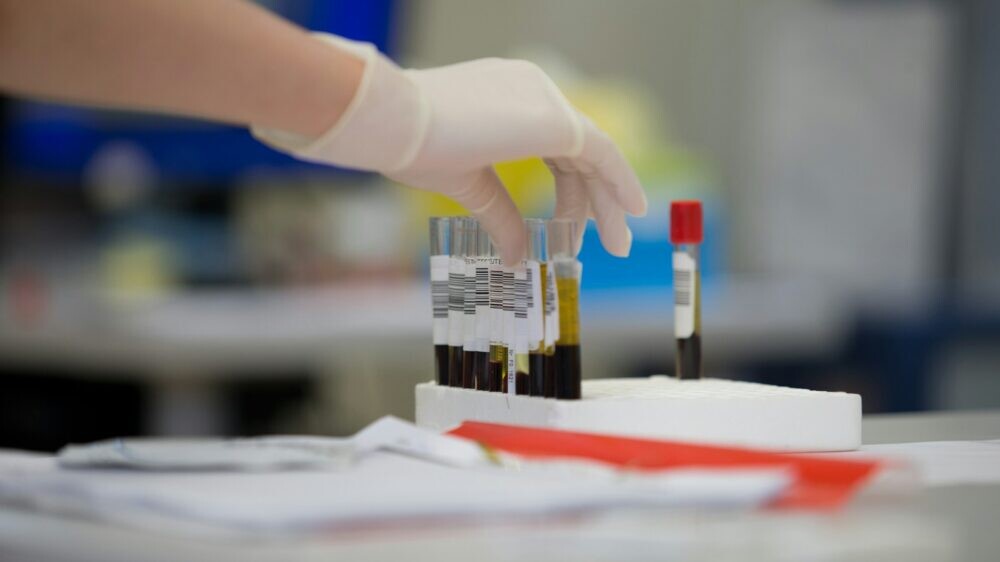

Doctors from King's College London, together with colleagues from Queen Mary University of London, have identified new patterns of changes in blood cells – leukocytes. They can predict how patients with the deadliest form of skin cancer, melanoma, will respond to treatment. The corresponding study results were published in the Journal for Immunotherapy of Cancer.
Scientists wanted to find a way to predict how effective immunotherapy, a method in which doctors stimulate the patient's own immune system with drugs, might be effective for melanoma patients. The authors conducted a study involving 24 patients with stage 2 to 4 melanoma and 25 healthy volunteers.
The work used mass cytometry technology, which allows simultaneous analysis of many characteristics of individual immune cells. In particular, they studied B cells, which produce antibodies to neutralize pathogens, and T cells, which directly destroy cancer cells.
“In melanoma, there is aberrant activation, maturation and exhaustion of peripheral B cells and T cells, especially pronounced in active disease. Class-switched B cells and treatment-induced activated T cells predicted clinical response,” the study said.
Lead study author Lucy Booth told Newsweek that the findings open up promising new avenues for research into melanoma treatments. Such a joint analysis of B cells and T cells, she said, was carried out for the first time.
“This work aims to integrate blood immunoprofiling into clinical practice for monitoring and early treatment of patients with melanoma,” Booth added.
Earlier, Israeli scientists found that the active ingredient in the drug Viagra for the treatment of erectile dysfunction in men can stop the spread of cancer. Also in an RTVI exclusive, the biologist spoke about the future of artificial intelligence in medicine, which has already surpassed doctors and is able to create viruses.