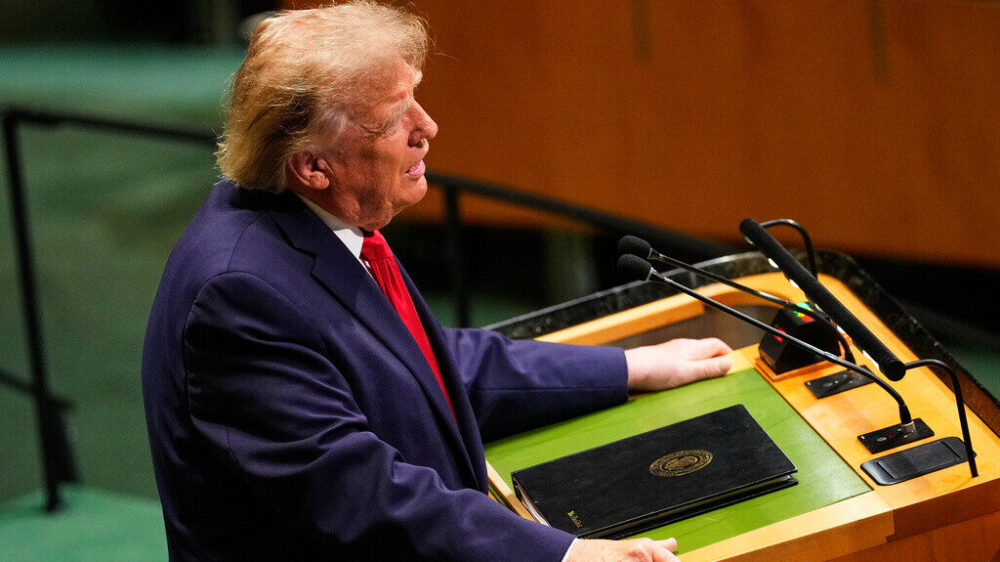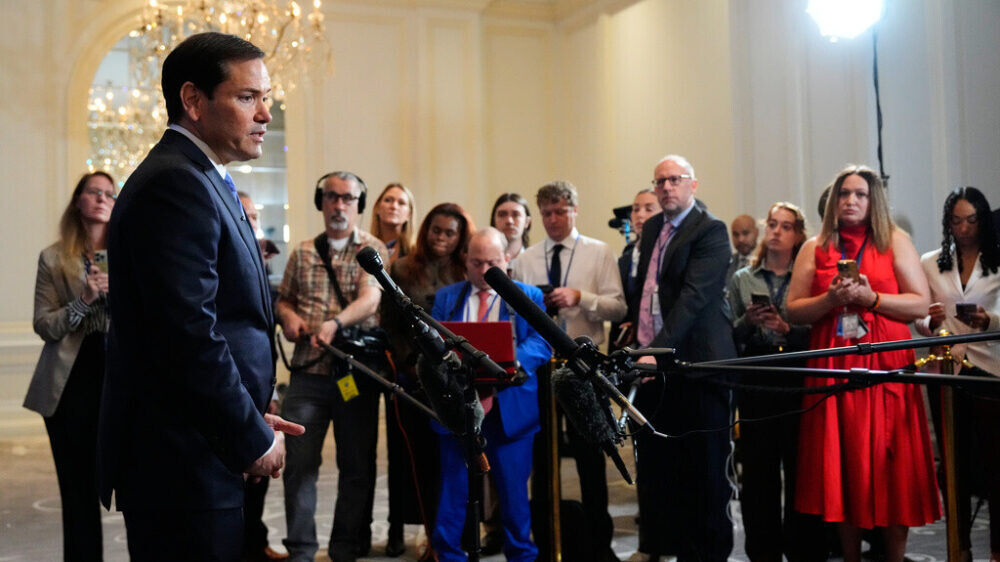


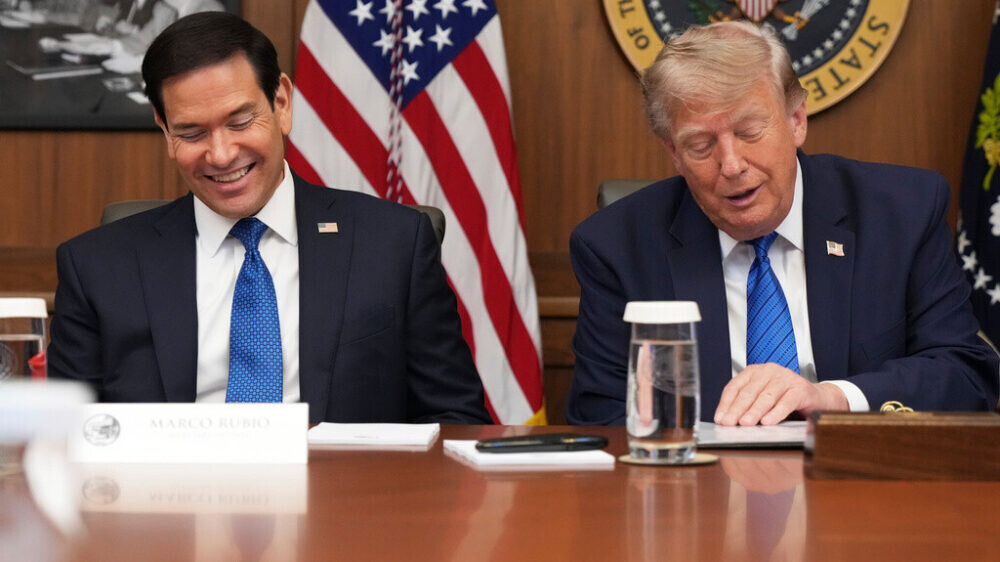

The US administration of Donald Trump's attempts to deport foreigners for political speech violate the First and Fifth Amendments to the Constitution, which guarantee freedom of speech and the right to due process. decided on Friday by a federal court judge. The ruling came in a lawsuit filed by student newspaper The Stanford Daily and another unnamed student against Secretary of State Marco Rubio and Department of Homeland Security chief Markwayne Mullin.
Federal District Court Judge Noelle Wise, appointed by former President Joe Biden, sided with the plaintiffs. They argue that the Trump administration has tried to use immigration laws to deport foreign students for speech and political activity protected by the First Amendment, including publishing opinion columns and participating in protests.
The plaintiffs were The Stanford Daily, an independent student newspaper at Stanford University. The lawsuit noted that some editors in the U.S. on student visas refused to cover stories related to the Middle East conflict out of fear that reporting on the topic would jeopardize their immigration status.
Another plaintiff was Jane Doe, unnamed in the case materials, a non-citizen legally in the United States with no criminal record, who had previously made pro-Palestinian statements. According to court documents, she “refrained from posting or publicly expressing her true views regarding Palestine and Israel, and deleted her social media account out of fear of possible repercussions for her past statements.”
“One of the foundations of a strong American democracy is the freedom of speech and freedom of the press enshrined in the First Amendment. In the United States, freedom of speech, including the right to criticize the government and its leaders, demonstrates not the fragility of democracy, but its strength. This power is weakened when members of society, both citizens and non-citizens, are forced to self-censor and “behave” for fear of government retaliation,” the court said.
At issue in the case are two provisions of the Immigration and Nationality Act that the plaintiffs say the administration used to persecute noncitizens for their speech. The first allows the Secretary of State to seek the deportation of an alien if he personally determines that the person's activities are “harmful to the foreign policy interests” of the United States. The second allows the Secretary of State to revoke the visa of any non-citizen “at any time” at his discretion.
The authorities applied the first provision, in particular, against Columbia University students Mahmoud Khalil, who became one of the organizers of the pro-Palestinian protests in Colombia that turned into riots in 2024, and Mohsen Mahdavi. Authorities also revoked the visa of Tufts University student Rümeysa Ozturk after she wrote an article about Gaza.
The court concluded that the government could not deny the plaintiffs' visa status or seek their deportation solely on the basis of speech protected by the First Amendment. The decision could affect similar cases in other states.