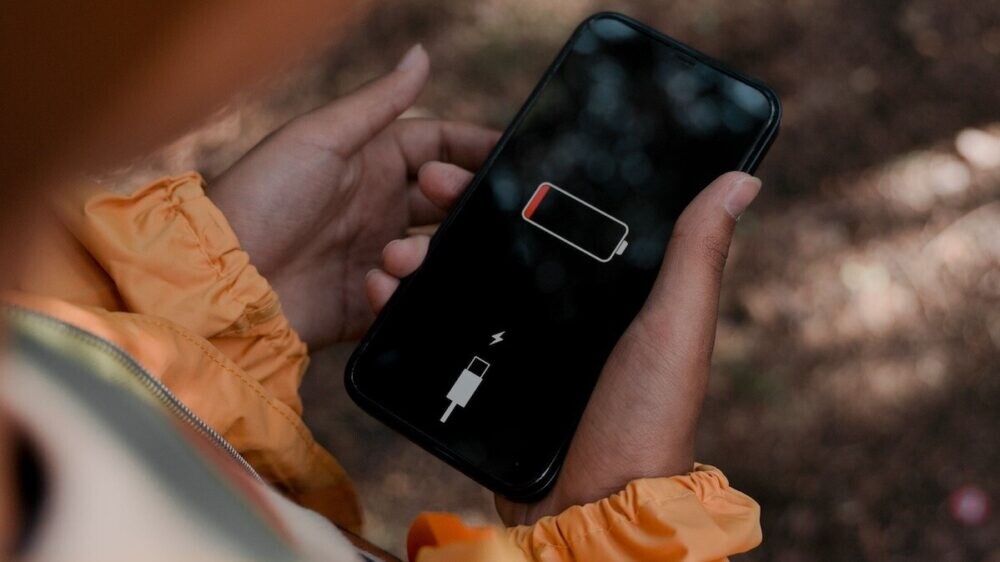

A team of Australian scientists from Flinders University has developed a concept for a water-based zinc-iodine battery, which could potentially replace the most common lithium-ion batteries in smartphones and more. The creators named the key advantages of such batteries as long service life, low fire hazard and high charging speed.
Test samples of the new battery with a capacity of 150 mAh/g charged in laboratory conditions in three minutes and also withstood more than 60,000 recharge cycles, according to an article published in the journal Angewandte Chemie.
With such indicators, the new battery can be used in consumer electronics for more than 100 years without replacement, the PhoneArena portal calculated. By comparison, modern lithium-ion batteries in smartphones can last approximately 1,000 charge cycles before they wear out.
The scientists also managed to overcome the risk of premature wear of aqueous zinc-iodine batteries due to migration of materials. The iodine was fixed inside using a shell made of a biodegradable polymer based on cyclodextrins.
It is unknown when the battery will appear on the market. Scientists are just preparing to create a full-fledged prototype and are looking for partners among technology companies.
The developers named the first area of application for aqueous zinc-iodine batteries as “large-scale energy storage.” Thus, we can talk, for example, about solar power plants.
In the future, the creators of the “hundred-year” battery hope that it will, in principle, become an alternative to lithium-ion batteries, which are widely used in technology and have recently been rising in price. The finished aqueous zinc-iodine battery should be both cheaper and better recyclable, scientists believe.