


Two NIH scientists have been charged with smuggling vials of deactivated monkeypox virus from Africa to the United States and making false statements to investigators during questioning, prosecutors said. Eastern District of Michigan.
Charges have been brought against Vincent Munster, 53, a Dutch citizen and head of the virus ecology department at Rocky Mountain Laboratories in Montana, and his colleague, Claude Kwe, 38, a Cameroonian citizen.
According to investigators, in January 2025, Munster and Que were stopped by U.S. Customs and Border Protection officers at Detroit International Airport after returning from Brazzaville, the capital of the Republic of Congo, which was experiencing a smallpox outbreak at the time. According to the Associated Press, the disease has caused more than 2,000 deaths in the country.
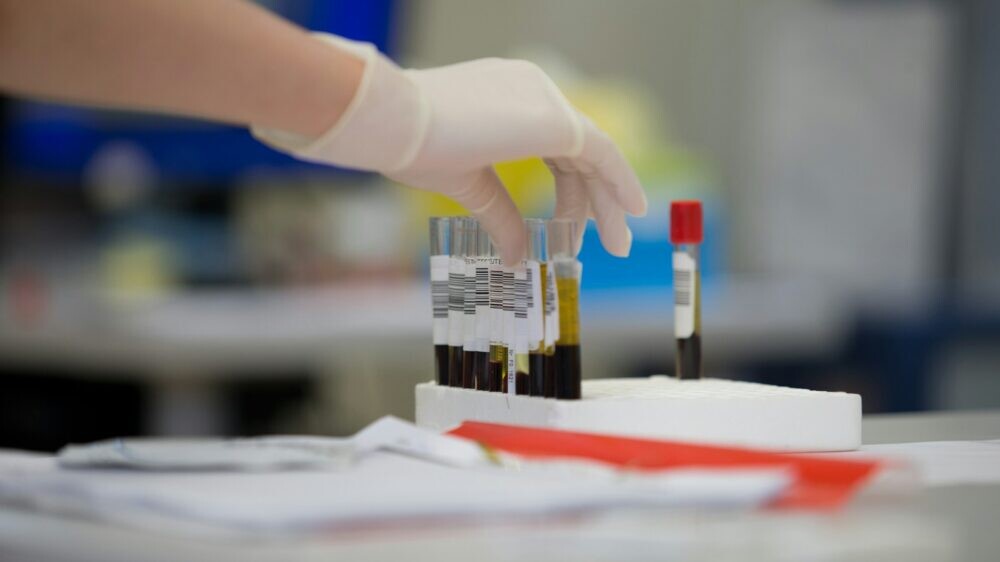
During the search, the officers’ attention was drawn to a large black plastic container. Scientists said there is diagnostic and research equipment inside. However, further inspection revealed that the container contained 113 tubes packed in foam thermoboxes.
At the time of publication of the indictment, specialists from the Federal Bureau of Investigation (FBI) had examined the contents of 20 of the 113 tubes. 17 of them contained samples of deactivated monkeypox virus, one contained varicella-zoster virus, and two more contained only human DNA. The investigation claims that the researchers did not declare these materials and did not obtain the necessary permits to import them into the United States.
Munster and Que are charged with conspiracy to smuggle biological materials into the United States and making false statements to federal law enforcement. They face a maximum penalty of five years in prison.
“The charges in this case are extremely serious. “This involves the dangerous and illegal importation of deactivated monkeypox virus into the United States and alleged attempts to mislead federal agents,” said Jennifer Runyan, director of the FBI’s Detroit office.
The court documents do not specify for what purpose the researchers tried to deliver virus samples to their laboratory. However, as the FBI notes, both scientists are studying “new viral pathogens” and the mechanisms of their transmission between different species of living organisms. They work in a BSL-4 laboratory, a maximum security facility designed for research into infections that are potentially dangerous to humans.
“Any deliberate attempt to conceal and smuggle biological materials into the United States without proper authorization violates the public trust and also puts the public at risk. The Office of Inspector General will continue to work with law enforcement to ensure that all individuals entrusted with protecting the health and welfare of citizens are held fully accountable for their actions,” said Special Agent in Charge Marcus Sykes of the U.S. Department of Health and Human Services Office of Inspector General.
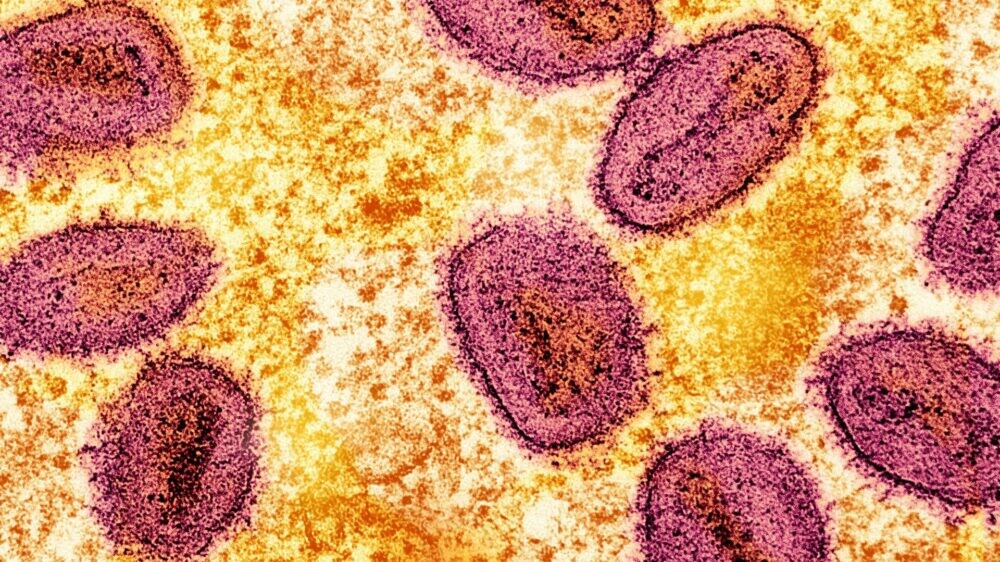
Mpox (monkeypox) is a viral disease that is transmitted through close contact with an infected person, through contaminated objects, or from infected animals. The virus was first discovered in Denmark in 1958 in monkeys kept for scientific research, and the first recorded human case was identified in 1970 in a nine-month-old boy in the Democratic Republic of Congo.
The virus causes a painful rash, swollen lymph nodes, fever, headache, muscle pain, back pain and severe weakness. The rash usually appears first on the face and then spreads throughout the body, including the palms and soles of the feet.
Symptoms usually appear within a week of infection, but can develop between 1 and 21 days after exposure to the virus. The illness usually lasts two to four weeks, but may last longer in people with weakened immune systems. An infected person is considered recovered after the skin lesions have completely healed and new skin has formed. In most cases, patients make a full recovery, the World Health Organization reports.
The mpox vaccine can be used both for prevention before infection and after contact with a sick person. After contact with a sick person, the medicine is most effective during the first 4 days.
Between January 2022 and August 2024, cases of mpox were reported in more than 120 countries. During this time, more than 100,000 cases of the disease were confirmed, and the number of laboratory-confirmed deaths was about 220.