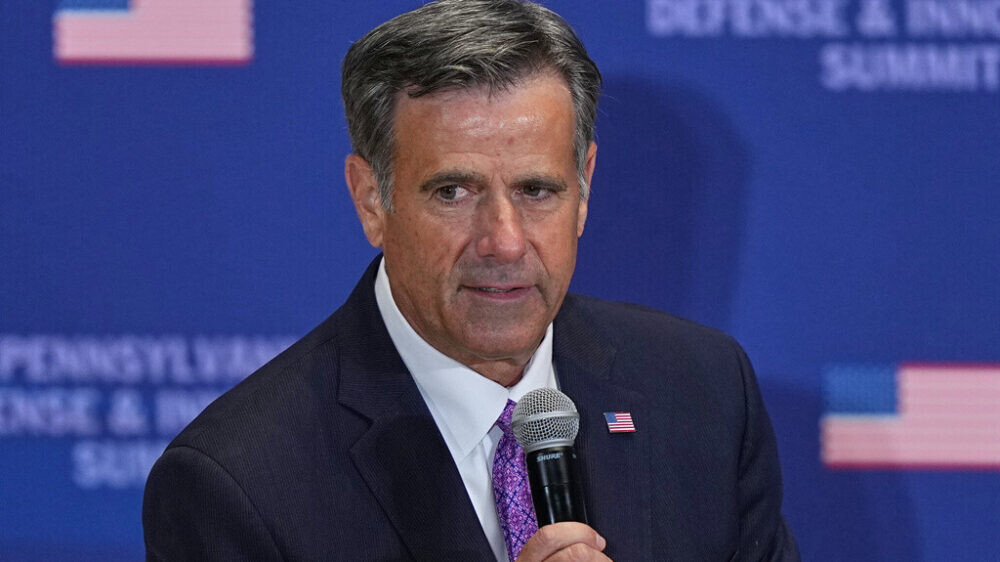

CIA Director John Ratcliffe could fly to Moscow to convey to the Russian leadership new proposals from the administration of US President Donald Trump to resolve the conflict in Ukraine. The visit could also be connected with a possible exchange of prisoners or Iran, American political scientist and author of the One Big Union telegram channel Yan Veselov suggested in a conversation with RTVI.
American and Russian journalists reported that Ratcliffe arrived in Russia on Tuesday, August 25: there was no official confirmation from Washington and Moscow. According to a number of media reports, the United States warned Ukraine in advance about the trip of the CIA director and asked to suspend strikes on Russian territory until the departure of the American delegation.
At about 6:40 p.m. Moscow time (11:40 a.m. Eastern time), the plane on which Ratcliffe is believed to have arrived took off from Moscow's Vnukovo airport. About an hour later, the special flight squad “Russia” took off from the same place, which transports senior officials and official delegations of the Russian Federation, according to Flightradar24 data. It is unknown where the Russian plane went.
The content of Ratcliffe's negotiations in Moscow has not yet been officially disclosed. It is also unknown with whom exactly on the Russian side he communicated.
As Veselov noted, one of the possible explanations for the CIA head’s trip may be Washington’s desire to convey to Moscow new proposals for resolving the Russian-Ukrainian conflict. Previously, contacts with the Russian side on this topic were mainly carried out by White House special envoy to the Middle East Steve Witkoff and businessman Jared Kushner, son-in-law of US President Donald Trump.
Another possible topic of negotiations could be the exchange of prisoners. Similar issues were previously dealt with by American intelligence agencies, including the CIA and Ratcliffe personally.
In addition, the political scientist did not rule out that the visit is connected with Iran. The day before, the United States announced secondary sanctions against all countries that trade with the Islamic Republic. Moscow remains one of Tehran's key allies.
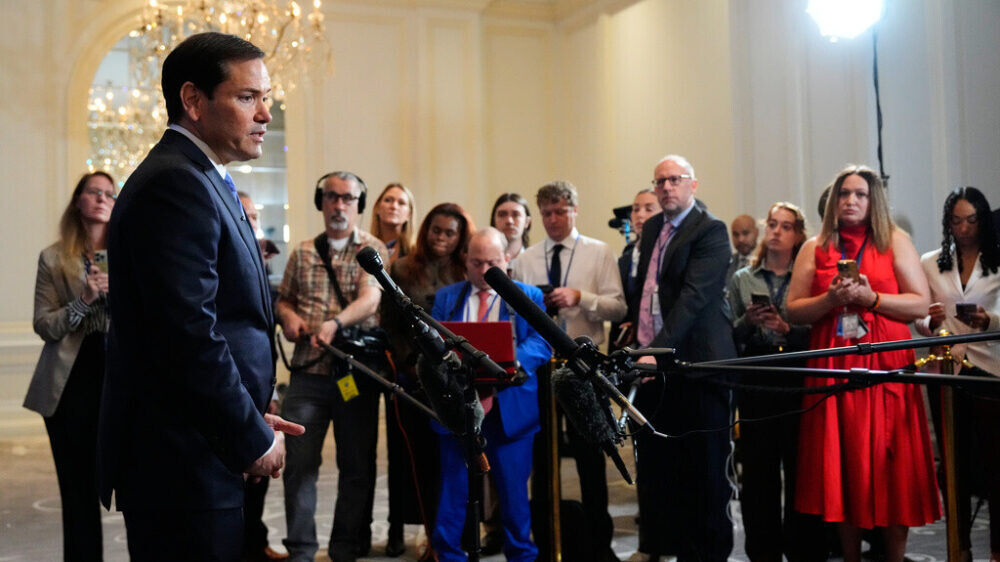
At the same time, Veselov believes that the appointment of Ratcliffe as a negotiator does not necessarily indicate a toughening of Washington’s position. While serving in the House of Representatives, the current CIA director did belong to the more hawkish wing of the Republican Party. However, after Trump returned to the White House, many Republicans with similar views adjusted their positions, the expert noted. He cited Secretary of State Marco Rubio as an example.
If Ratcliffe's visit is confirmed, it will appear to be the first visit by a CIA chief to Russia since November 2021. Then, according to CNN, William Burns, who headed the department under President Joe Biden, visited Moscow. However, it is not worth drawing direct parallels between the two trips, Veselov believes. According to him, the role of the CIA director in foreign policy largely depends on the relationship of the intelligence chief with a particular president and the degree of trust from the White House.
Trump's second term in this regard differs from previous American administrations, the expert added. The President adheres much less to the traditional distribution of diplomatic functions and actively uses alternative communication channels.
That is why not only representatives of the State Department, but also people from the president’s inner circle—Witkoff and Kushner, and now, possibly, the director of the CIA—can become US negotiators.