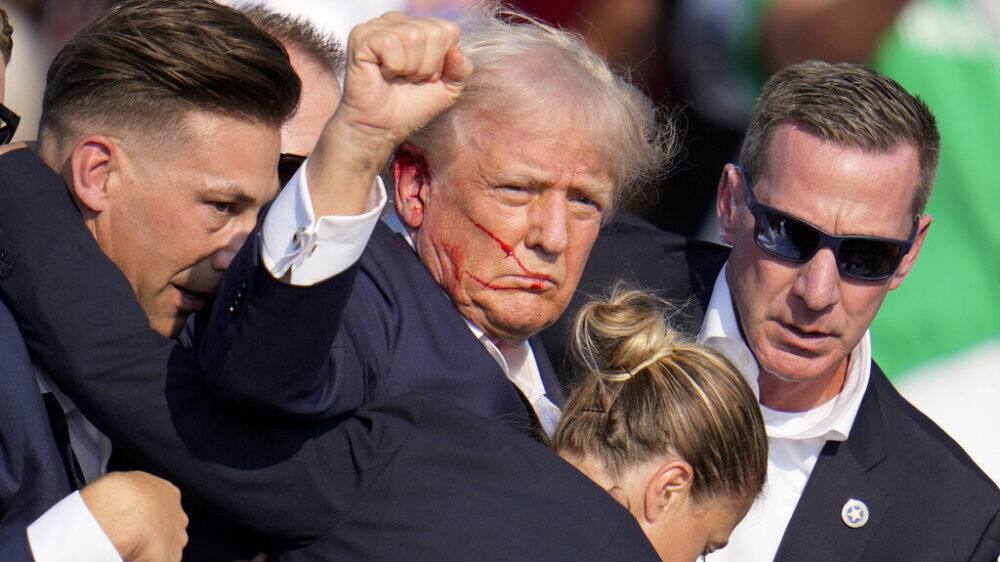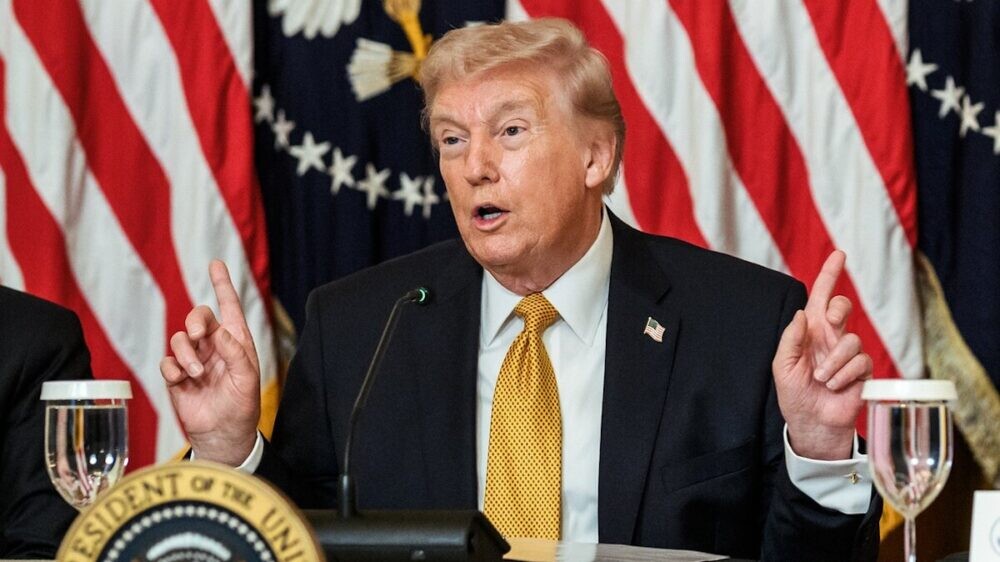



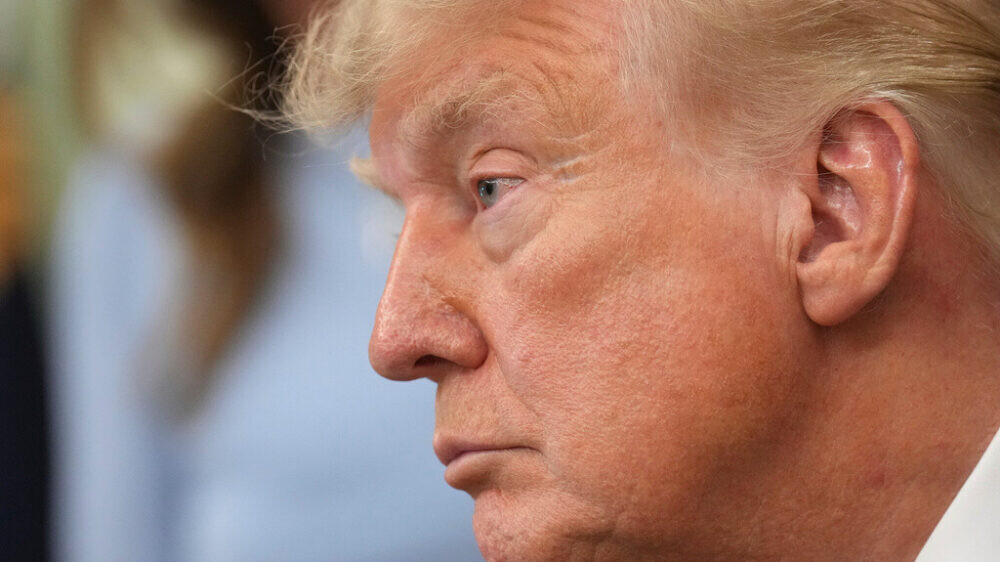

US President Donald Trump signed a law on anti-Russian sanctions, named after the late Senator Lindsey Graham, one of its co-authors. The document came into force. This was reported on the White House website. The media previously called the package of measures “hellish sanctions.”
“On Friday, September 18, 2026, the President signed into law H.R. 5334, the Lindsey O. Graham Russia and Iran Sanctions Act of 2026, which imposes and expands statutory sanctions, tariffs, and prohibitions against Russia and extends existing sanctions against Iran,” the statement said.
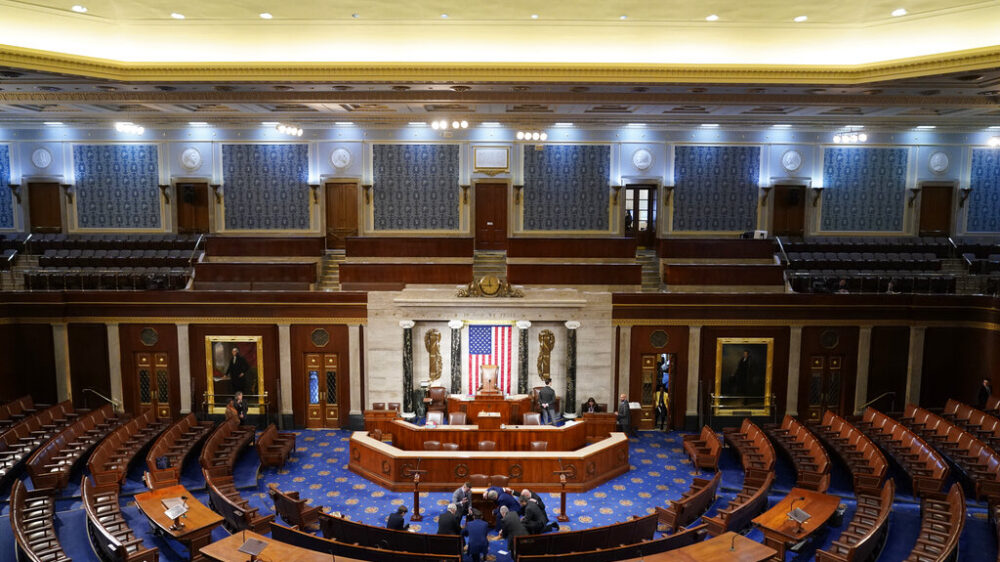
Let us remind you that on Wednesday the US House of Representatives approved the bill by 262 votes to 159. Earlier, in August, the document passed the Senate, crossing the required threshold of 60 votes.
The law provides for the possibility of introducing duties of up to 500% on imported goods from Russia and protective tariffs of up to 100% against trading partners of the Russian Federation in the oil and gas sector. The latest restrictions may primarily affect China and India. Exceptions are made for states whose imports of Russian gas account for less than 15%, provided that they take steps to reduce supplies.
The document also includes personal sanctions against Russia's leadership, including its president, senior officials and military personnel, as well as restrictions on financial institutions and energy projects.
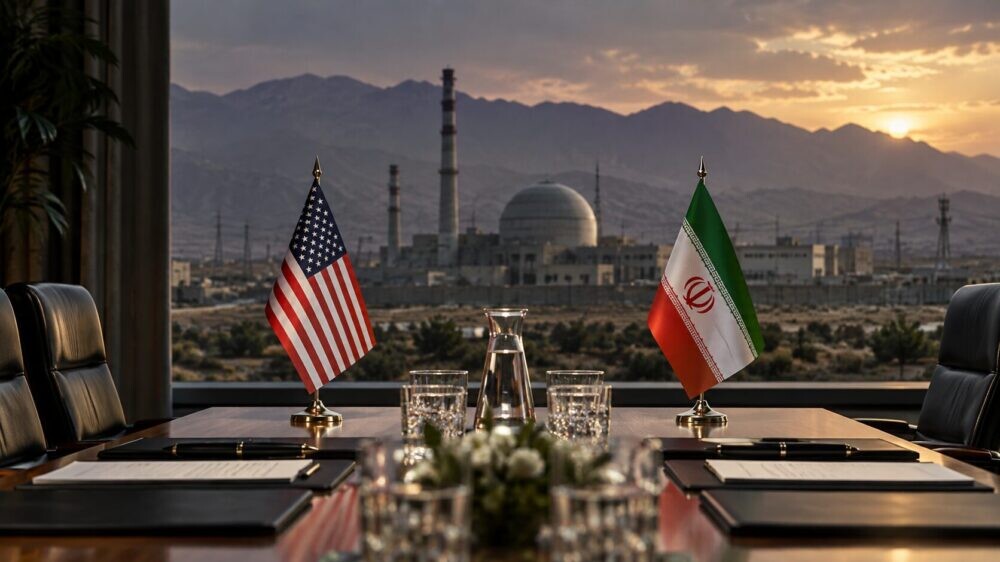
At the initiative of President Donald Trump, Iran-related provisions were also added to the bill. They involve the extension of sanctions against the financial and weapons sectors of the Islamic Republic, which were supposed to expire at the end of 2026.
Signing the document does not mean the automatic introduction of all the restrictions it envisages, but it gives the head of the White House the authority to introduce them. The President may also waive the measures if he notifies legislators that such a decision is in the national interest of the United States.