



The active spread of cryptocurrencies in the United States may in the future pose a threat to the dollar and limit the ability of the American authorities to manage monetary policy. Mikhail Melnik, professor of economics at Kennesaw University in Georgia, spoke about this in a conversation with RTVI. In his opinion, what is happening can be compared with the “dollarization” of the economies of other countries, only in the case of the United States, Bitcoin and other cryptocurrencies can play the role of an alternative currency.
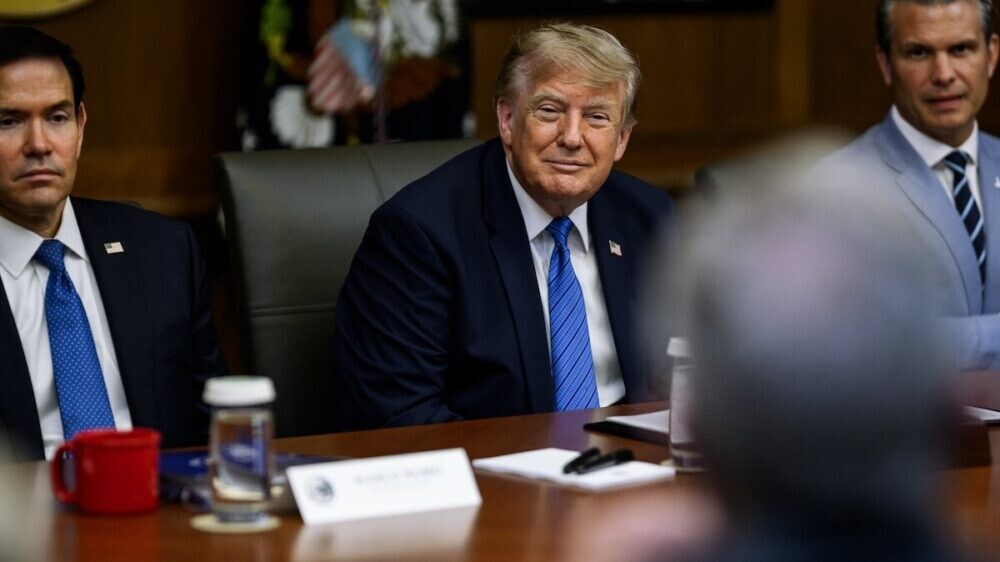
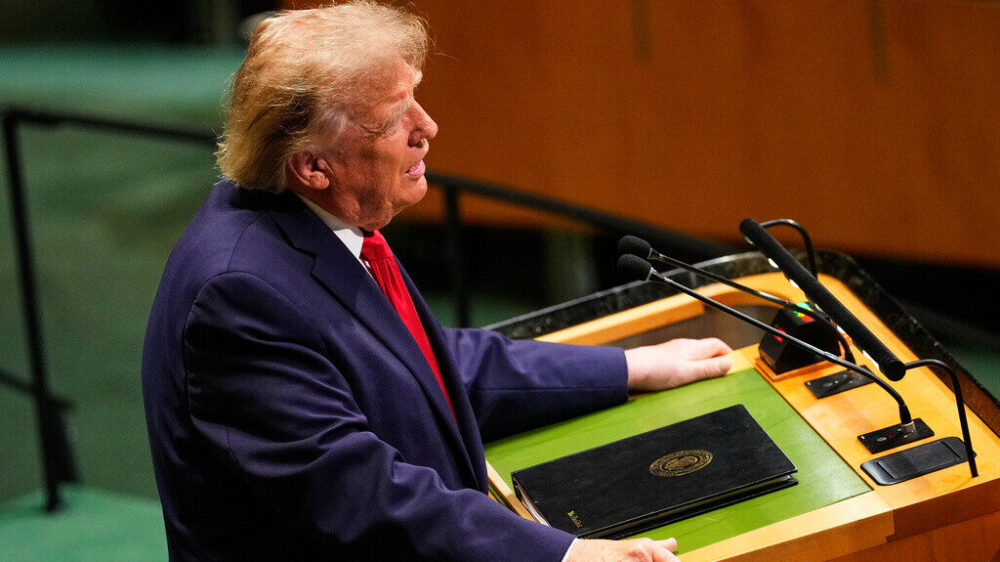
Melnyk drew attention to the fact that American financial institutions, including the largest investment banks (for example, Schwab) are increasingly working with cryptocurrencies, and services such as Crypto.com allow the use of digital assets for financial transactions. Let us also note the great interest in cryptocurrencies in the circle of US President Donald Trump: his own income from them in 2025, as RTVI reported, exceeded $1.2 billion. More than $500 million was received from the cryptocurrency company World Liberty Financial (WLF), founded together with his sons – Donald Trump Jr., Eric and Barron, as well as relatives of the special envoy to the Middle East Steve Witkoff
The head of the White House himself and his wife Melania Trump have their own memcoins, and in August the heads of cryptocurrency companies were received at the White House. Two days after that, the US Securities and Exchange Commission (SEC) proposed a set of regulatory rules to create special treatment for the allocation of certain crypto assets associated with investment contracts.
According to the economist, in the next three to five years, the volume of transactions using cryptocurrencies in the United States could potentially reach the equivalent of 5-10% of the country's GDP.
“This is a very unique phenomenon,” Melnik emphasized.
Threat from within
To explain the possible consequences, the economist draws a parallel with dollarization. This term is usually used to describe a situation when a foreign currency begins to circulate widely within a country along with the national one. Similar processes, in particular, took place in Latin American countries, and in the 1990s and 2000s, dollars and euros were widely used in Russia.
According to Melnik, the problem arises at the moment when a significant part of economic transactions begins to be carried out in a currency that the national monetary authorities do not control.
“When such a phenomenon occurs, it leads to a loss of ability [проводить] monetary program, because you simply do not cover the entire economy with your monetary system,” the economist explained.
A similar risk, in his opinion, may arise in the United States due to the spread of cryptocurrencies. If a significant proportion of domestic transactions are carried out not in dollars, but, for example, in bitcoins or other digital assets, part of the money flow will be outside the traditional dollar system.
Melnik believes that as a result, the ability of the American authorities to influence the economy through monetary policy may be reduced, and one of the consequences could be an additional inflationary risk.
At the same time, the economist calls the main difference between the United States and countries that previously faced dollarization is the special position of the American currency. The dollar is not only used domestically, but also underlies much of international trade and the global financial system.
“It’s one thing when a country, say Russia, says: let’s make a cryptocurrency. No one outside Russia needs the ruble anyway. It’s another matter when this is said by a country whose currency is the basis of the global system,” Melnyk noted.
That is why he considers the active spread of alternative means of payment within the United States a potential threat not only to American monetary policy, but also to the international position of the dollar.
“If the dollar starts to lose relevance inside the US, who will support it outside the US? That's all. Simple question,” said the economist.
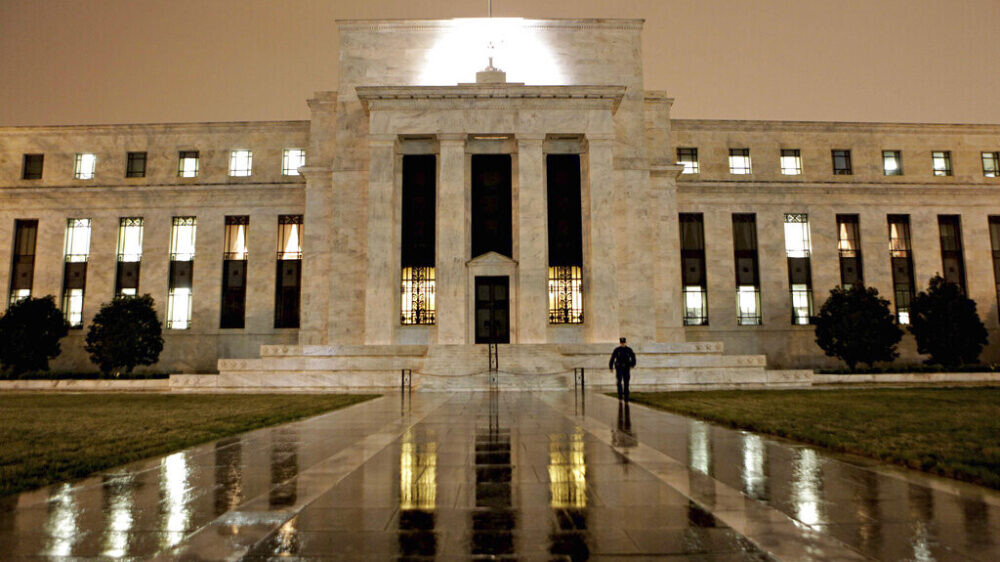
The economist believes that the main risk of the spread of cryptocurrencies is not the digital assets themselves, but the possibility of the gradual emergence of a payment system parallel to the dollar within the world’s largest economy. Unlike conventional dollarization, in which the national currency is replaced by the currency of another country, in the United States, digital assets not controlled by the Federal Reserve can become such a competitor to the dollar.
“Alternative currencies are beginning to appear within the United States, that is, dollarization is taking place. This is a relatively alarming trend,” says Melnyk.