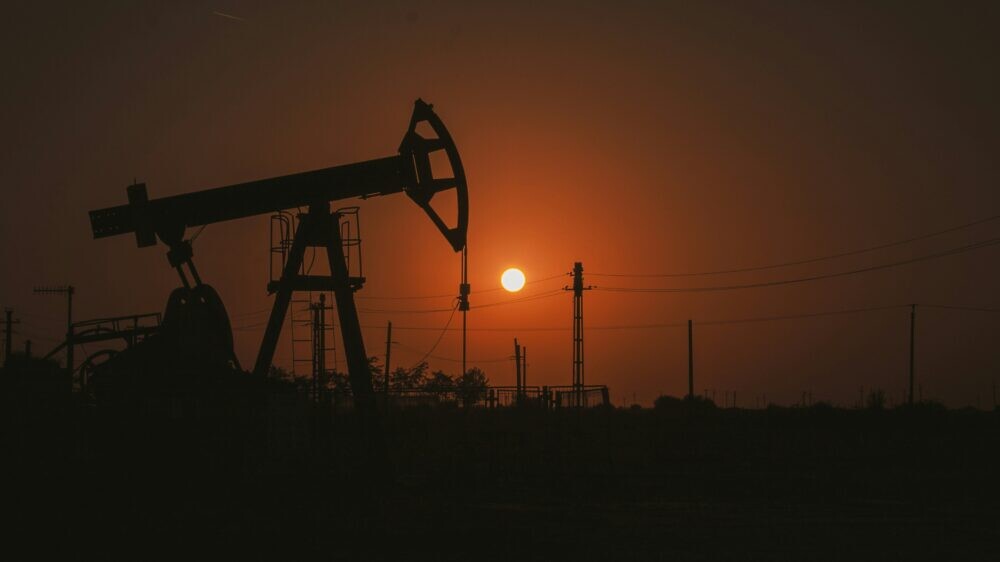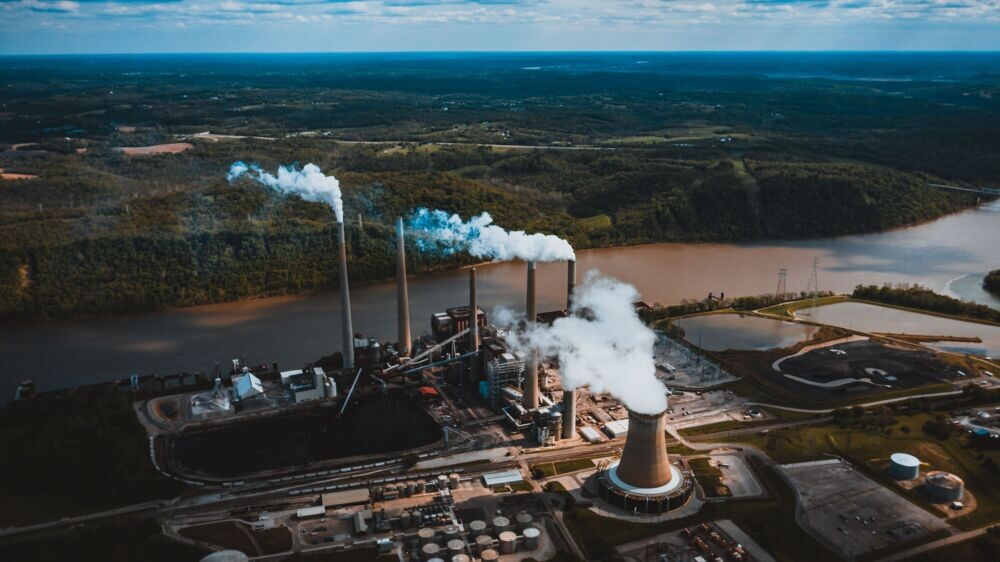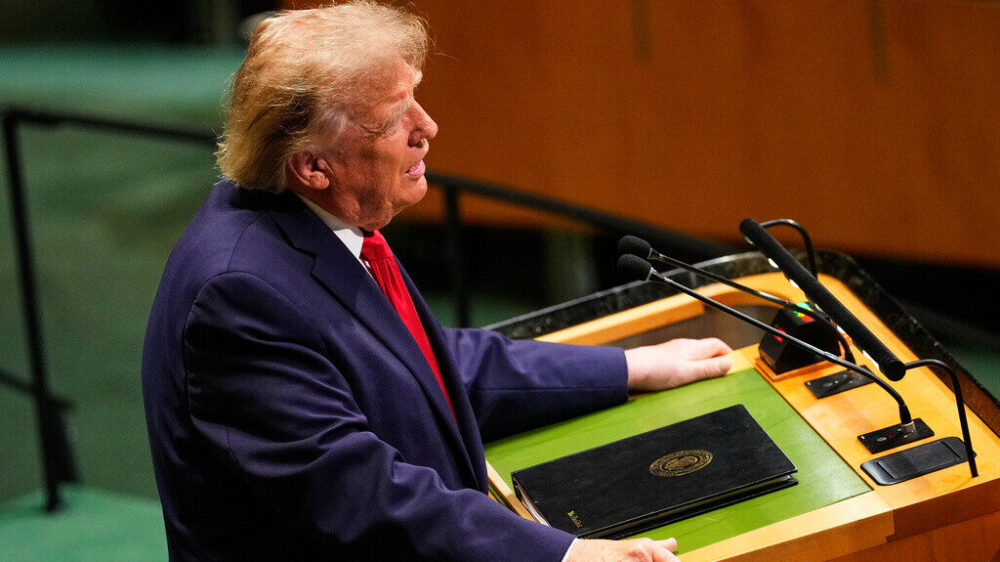

As part of the deal with Venezuela, the United States will have the opportunity to replenish its strategic petroleum reserve (SPR) with raw materials from this country for a hundred years, an American official familiar with the situation told the Wall Street Journal (WSJ). Earlier, President Donald Trump announced the transfer of control over Venezuelan fields with reserves of 65 billion barrels to the United States.
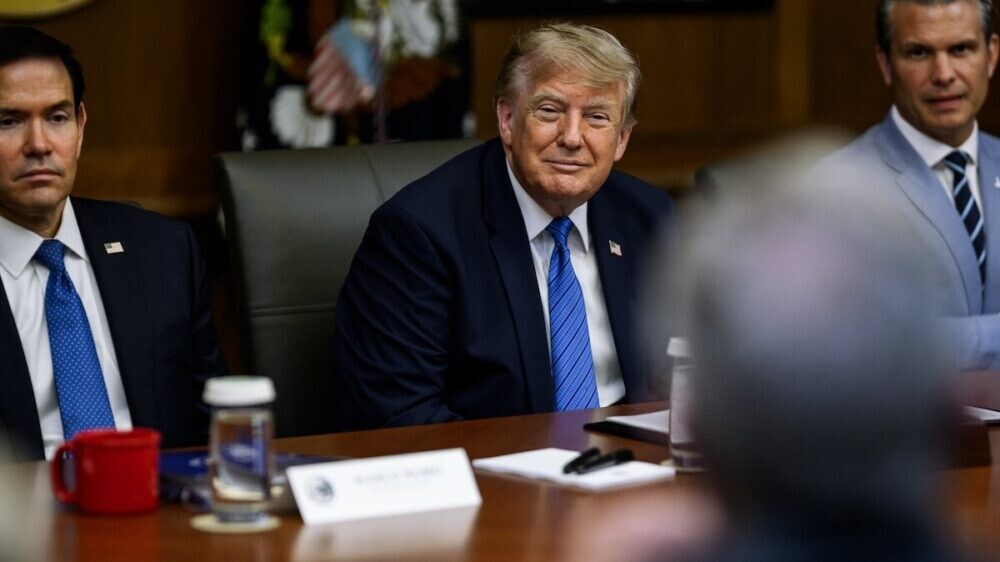
As Trump said on Truth Social on Friday, August 28, the deal was worked out by US Secretary of State Marco Rubio, Defense Secretary Pete Hegseth, Venezuela's “deeply respected” interim President Delcy Rodriguez and private industry.
The head of the White House suggested that the agreement would reduce fuel prices in the United States and would also “cost American taxpayers nothing.”
As the WSJ reports, Rodriguez, who took over the presidency after the US military seized President Nicolas Maduro, gave permission for a 100-year lease of the fields to a joint US-Venezuelan company. On the US side, the state invested in the project, and Venezuela was represented by an unnamed private operator.
According to the publication, the new company will become the second largest in terms of proven oil reserves after Saudi Aramco. In total, Venezuela has more than 300 billion proven oil reserves – this is the 1st indicator in the world.
“The American government will own 55% of the shares, which will consist of shares, as well as part of the extracted raw materials. As production increases, this oil will allow the United States to replenish the SPR,” the WSJ source emphasized.
Rodriguez followed Trump, who called the oil deal “the largest in history,” in describing it as “historic.” In a statement in English on the social network X (formerly Twitter), the interim president of Venezuela noted that the agreement will lead to the “rebirth of the nation” and will attract investment to reconstruct infrastructure. Venezuela suffered a devastating earthquake earlier this year that killed more than 6,000 people.
“We are talking about the development of 17 strategic fields with proven reserves of 65 billion barrels, attracting investments of $100 billion, as well as tax revenues of over $209 billion,” Rodriguez noted, suggesting that the deal will also have a positive impact on the global market.
WSJ believes that the Trump administration’s agreement with the Venezuelan authorities and local businesses could be a signal to private players in the US oil market about the safety of investments in this country. According to the publication, Chevron is preparing its agreement on investment in oil production in Venezuela.
The deal also had its critics. Ricardo Haussman, a former official in Venezuela and now a professor at Harvard University, said that the country's current government had no right to enter into such agreements. As the WSJ notes, the Venezuelan opposition hoped that the Trump administration would first apply pressure to hold presidential elections in Venezuela.
“An illegitimate caretaker government with an illegitimate hydrocarbon law had no legitimate right to enter into this unconstitutional deal,” wrote an economist supporting opposition leader Maria Machado in X.