

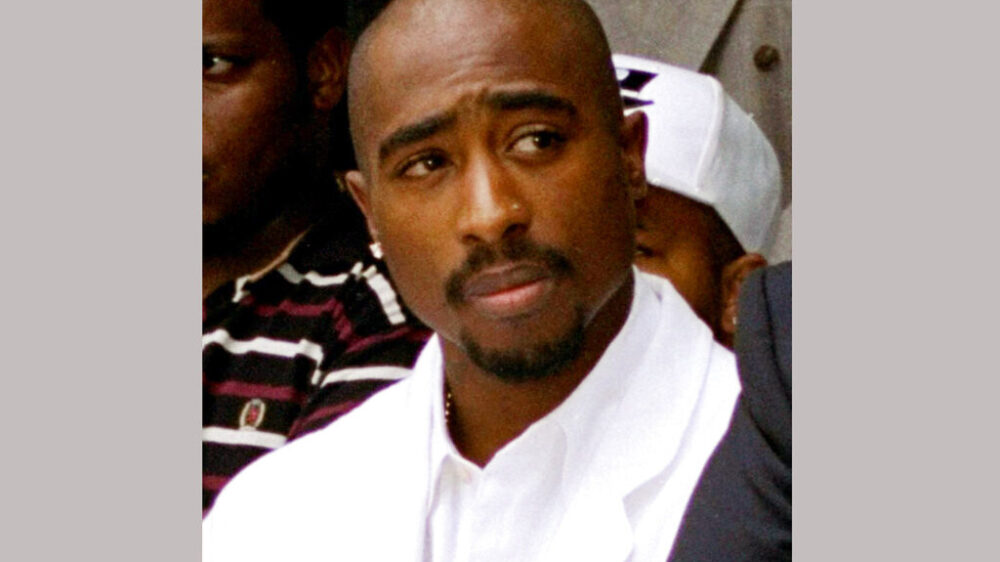

A jury in Las Vegas, Nevada, found one of the former leaders of the Los Angeles South Side Compton Crips, Dwayne “Keffe D” Davis, guilty of the sensational murder of rapper Tupac Shakur on September 7, 1996. Next Monday will be 30 years since this event. The crime, unsolved for many years, entered American culture no less than the work of Tupac himself, and was overgrown with conspiracy theories.
According to the Associated Press (AP), after the verdicts were announced, Shakur's relatives hugged prosecutors. At the same time, the prosecution refused to present the aggravating factor of participation in a gang due to a lack of witnesses.
Davis is scheduled to be sentenced on October 13, NBC News clarifies. He faces life imprisonment. Now the man is 63 years old.
Allegedly, Davis did not directly kill the rapper; he was accused of organizing the attack on Tupac, but was found guilty of first-degree murder. The fact is that under Nevada law, a person who helps another commit murder can be convicted of this crime.
“You don’t have to pull the trigger,” the Los Angeles Times quoted Clar County Deputy District Attorney Bin Palal as saying.
What is the accusation based on?
The prosecutor's office concluded that the rapper was killed out of revenge – Tupac, the founder of the Death Row Records rap label Marion “Suge” Knight and members of the associated Mob Piru gang, which was at odds with the Crips, beat Orlando Anderson, Davis' nephew. The suspect himself has repeatedly talked about this – according to him, Anderson was beaten at the MGM Grand casino after the Mike Tyson fight.
“In a gang culture, Dwayne Davis could not accept the beating of his nephew. He obtained a firearm, gathered his group and went in search of Mr. Shakur or Mr. Knight,” Palal said in court.
Despite the fact that Davis immediately came to the attention of the police, there was no evidence against him. Significant data emerged only in 2008, when the sensational and still officially unsolved murder of another famous rapper, Christopher Wallace, better known as Notorious BIG, was investigated. He was shot dead in Los Angeles in 1997.
In 2008, detectives came to Davis and offered a deal: he says that he knows about this case, and he is not charged with drug trafficking, for which he could face a long prison sentence. Davis agreed. The agreement was formalized in the form of a proffer session – a conversation during which investigators can obtain information, but cannot use it against him. It was during this conversation that Davis let slip his involvement in Shakur's murder and spoke in detail about that evening.
These admissions were made as part of an agreement with federal authorities and could not be used against Davis. But he himself actually helped the investigation – he began to detail details about Shakur’s murder in an interview and even during a police interrogation in 2009.
In the documentary series Death Row Chronicles, which was released in 2018, Davis said that he was sitting in a car with Shakur’s direct killer – but refused to name him, citing “street code.” In his memoirs, published a year later, he again touches on this topic and writes that he took out the pistol from which the rapper was killed.
These public statements were no longer protected by the 2008 agreement. In 2023, the gangster was arrested. Davis described Shakur's murder in as much detail as only a witness could, Bilal said in court in Las Vegas.
“For nearly 18 years, Dwayne Davis spoke to police, to television, to books, to YouTube interviewers—to anyone who would listen,” Palal said in closing arguments. “He told you that he was responsible for the murder of Tupac Shakur.” Tell him you can hear him. Find him guilty.”
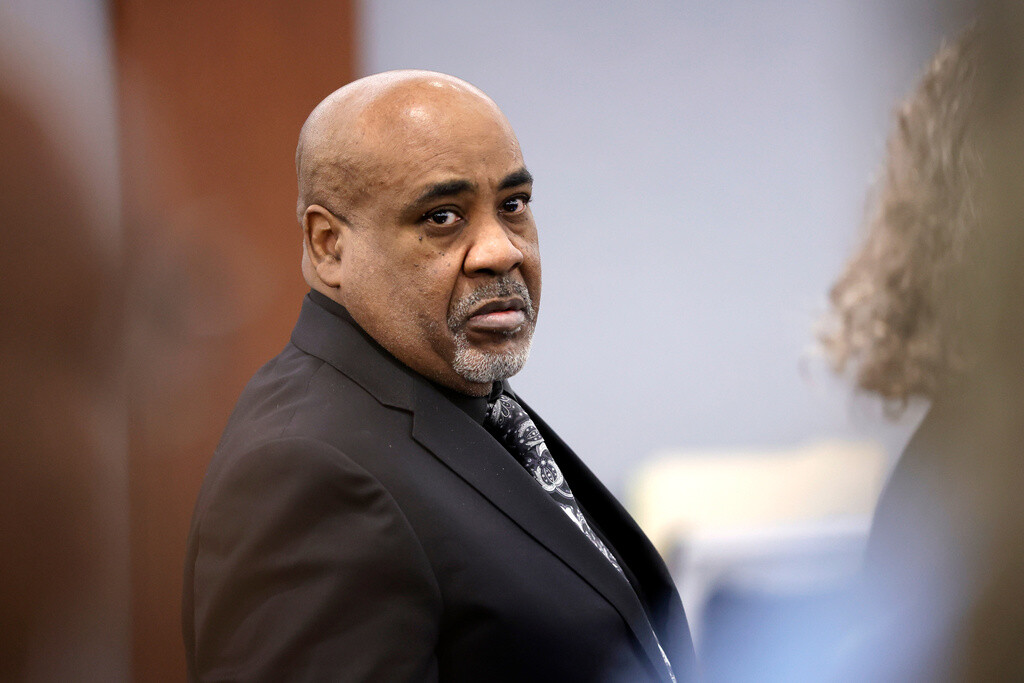
Dwayne Davis
Steve Marcus/Pool Photo via AP
What didn't suit the defense?
The jury deliberated for less than three hours before reaching a verdict, the AP clarifies. Former federal prosecutor Nima Rahmani told the Los Angeles Times that the speed was “astonishing.”
The defense plans to appeal the jury's decision. Defense attorney Michael Sanft said the prosecution had no forensic evidence, no witnesses, no physical evidence to indicate that Davis was actually in the same car with the shooter or provided the gun used in the killing. The lawyer stressed that the jury did not even hear testimony from Knight, who was sentenced to 28 years for vehicular manslaughter in 2018.
The main line of defense was that police were never able to independently confirm that Davis was actually in the car.
Sanft claims his client simply fabricated the entire story in conversations with police in 2008-2009 to avoid a life sentence for drug trafficking. And later he repeated this to promote his own memoirs.
“You are reading a book that is a work of fiction, not non-fiction,” Sanft told the jury.