



On Friday, June 12, Section 702 of the Federal Foreign Intelligence Surveillance Act (FISA), a key tool for US authorities to collect intelligence on foreigners, expired in the United States. RTVI.US collected information about why the act is important, what controversy it caused, and why it could not be extended.
What is Section 702 about and why is it important?
Section 702 of the FISA Act was approved by the US Congress in 2008. The stated reason for modifying the act, originally passed in 1978, was to fill “gaps in information collection” due to “evolution of technology.” The purpose of the amendment was to protect the country and its allies from terrorists, spies and other security threats, according to a certificate on the website of the US Director of National Intelligence (DNI).
The amendment from that time on gave the US intelligence community broad powers to collect and analyze information about foreign nationals located outside the country, without the need to obtain a judicial warrant. At the same time, it did not allow the collection of information about foreigners within the country or US citizens, and also allowed only targeted, not mass surveillance.
Critics of the initiative argue that these rules are not always followed, since by wiretapping foreigners abroad, authorities also gain access to the personal data of Americans in the United States who are in contact with the targets of surveillance. Human rights activists believe that authorities should obtain a court order to collect such data.
Government representatives object, noting that current legislation does not require such procedures and that introducing additional restrictions will only create unnecessary bureaucratic barriers.
Officials say the mechanism has previously thwarted a number of potential terrorist attacks, provided critical intelligence on ransomware cyberattacks on critical infrastructure, and collected information that contributed to the killing of al-Qaeda leader Ayman al-Zawahiri in a drone strike in 2022.
Why wasn't Section 702 extended?
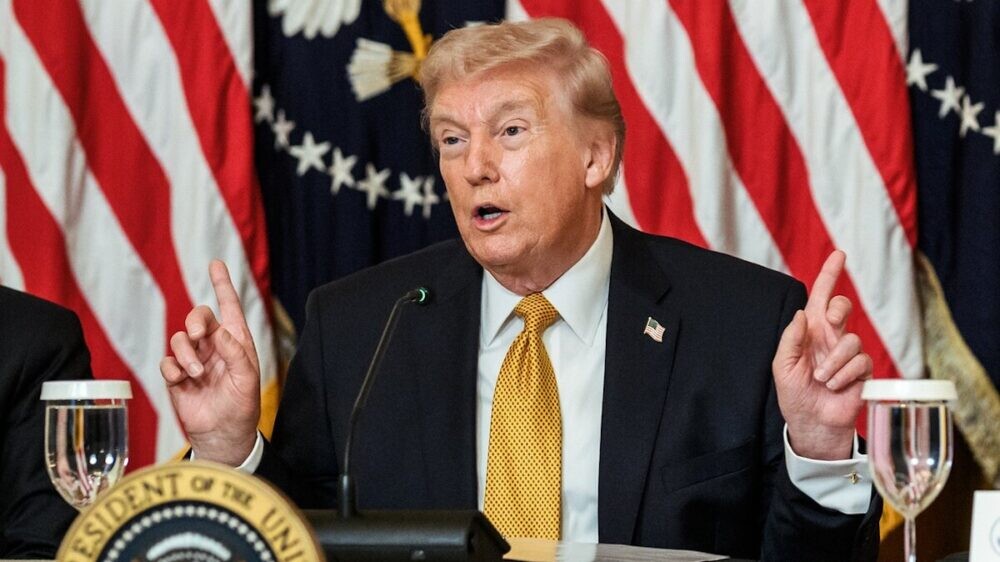
The extension of the section of the law in this regard has been accompanied by protracted discussions in Congress for many years, but in June an additional factor in them was the decision by President Donald Trump to nominate Bill Pulte for the position of Director of National Intelligence.
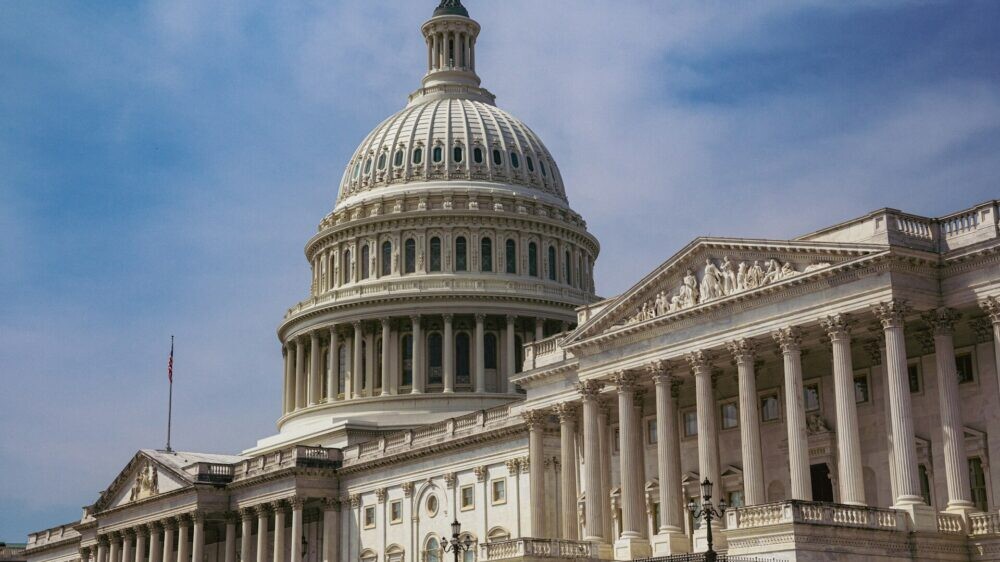
An attempt by the House of Representatives to temporarily extend the document failed, as Democrats voted against the initiative and decided to express disagreement with the candidacy of Pulty, who is suspected of bias and lack of specialized experience.
Trump, in his message about Pulte’s nomination as acting head of National Intelligence, noted his “extensive experience in managing the most sensitive issues in America,” but he never really worked in the intelligence agencies.
The official is educated as a journalist, and built a career in investment and real estate. Since 2025, by decision of Trump, he has headed the Federal Housing Finance Agency.
As the Associated Press (AP) notes, as part of the demarche, Democrats also recalled Pulte's attempts to initiate lawsuits against Trump critics for alleged violations in mortgage processing. These cases ultimately did not develop.
In protest, nearly all Democrats voted against extending Section 702. They were joined by 19 Republicans. As a result, the proposal did not receive the required number of votes: 198 congressmen supported the extension, 218 were against it.
Following the failure of the vote, Trump on Thursday announced the nomination of Jay Clayton, a Manhattan federal prosecutor and former chairman of the US Securities and Exchange Commission (SEC), to become permanent director of national intelligence. This candidacy satisfied legislators, but there was no time left to overcome political differences before the law expired, AP notes.
Despite the formal expiration of the law, the mechanism is not expected to cease immediately. In March, the Foreign Intelligence Surveillance Court extended the relevant authorizations for an additional 12 months. Thus, Section 702 authority is expected to continue until at least next year.
However, the lack of a formal extension of the law by Congress creates legal uncertainty. In particular, telecommunications companies that are required to provide data to the government under this law may seek to end their cooperation by arguing that without Congress extending it, they are no longer obligated to comply.