

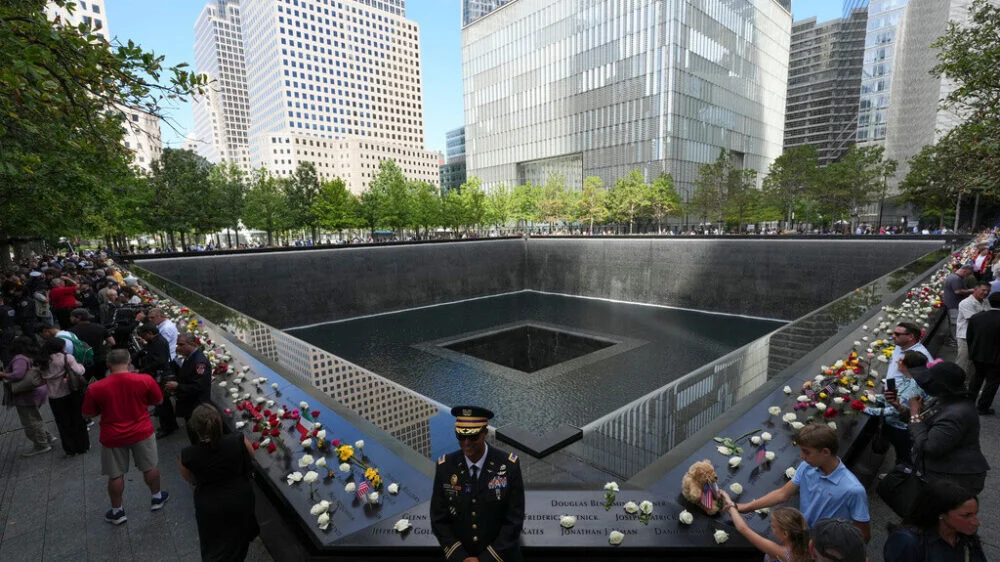

On the day of the terrorist attacks of September 11, 2001, RTVI interlocutor Michael Cooper, a former military man and police officer, was in New York. Shortly before the tragedy, he completed his service in the regular army and transferred to the New York State National Guard, while simultaneously enrolling in college. The news of the attack caught him right during class, and a few hours later he found himself at the site of the destruction of the World Trade Center. Cooper shared his memories of the events of that day on a special broadcast on RTVI.
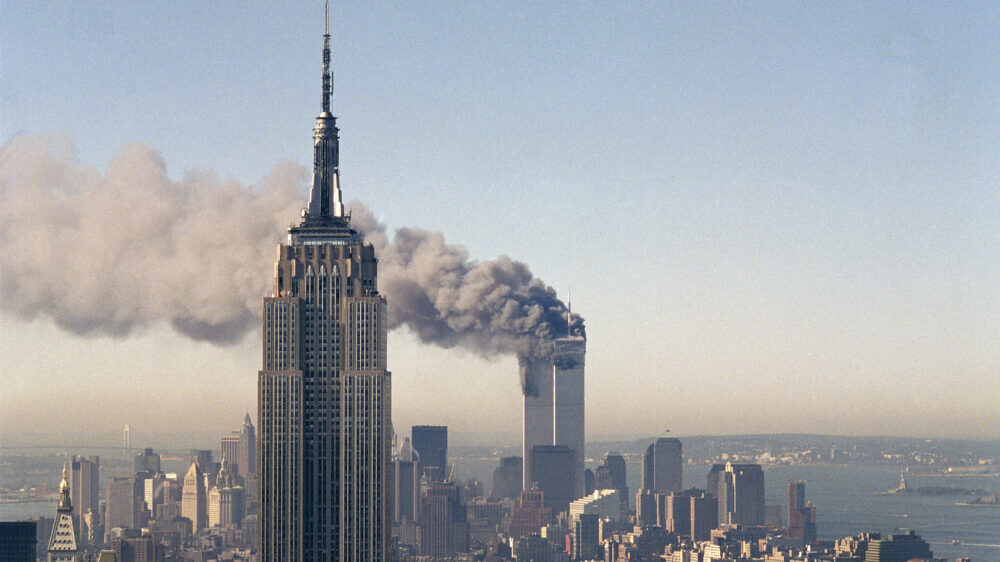
According to him, on September 11, during class, the phones of many people present in the audience suddenly rang, including the teacher. Running to the window, Cooper saw smoke.
“I didn’t understand what was happening then. Everyone ran to the windows, and then we saw smoke coming from Manhattan,” Cooper said.
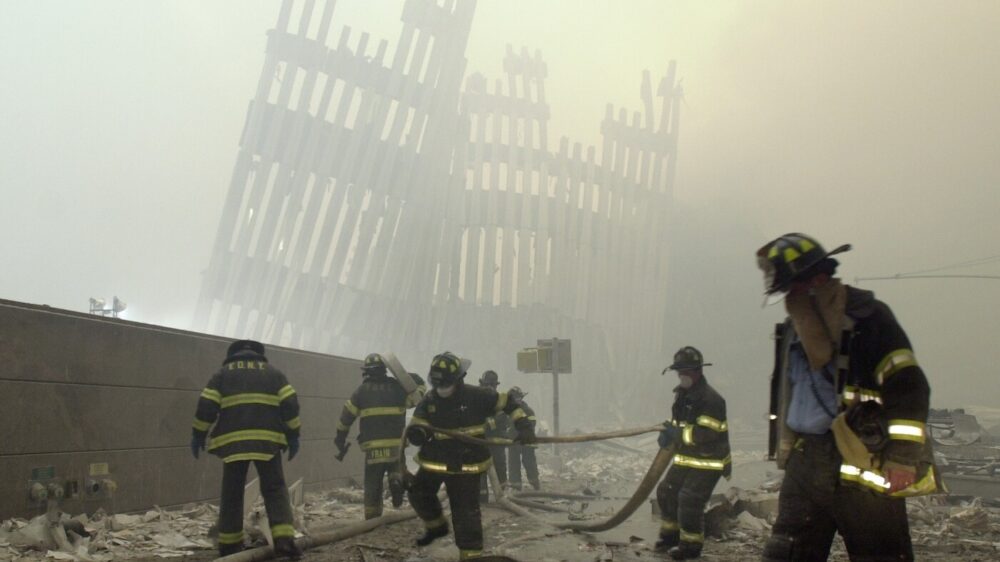
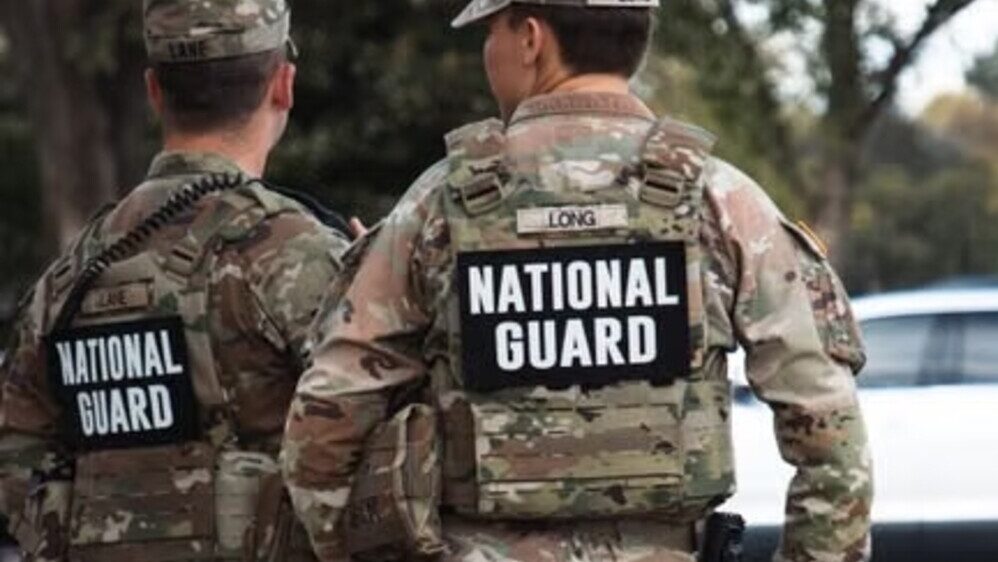
Within an hour, the mobilization of the National Guard began. Around noon, Cooper arrived in the area by bus along with members of the New York Fire Department. At that moment it was impossible to get into Manhattan – only rescuers and military personnel were allowed through.
“I've watched a lot of horror films, but this was scary. You could see literally about five meters, no more, there was ashes everywhere, people were running back and forth, some were just walking, not understanding at all what was happening. I saw all this, but my brain refused to understand it, to perceive it,” said Michael.
One of the first tasks of the military, according to Cooper, was to cordon off the area of destruction and help rescuers and workers. The very next day, the National Guard was engaged in protecting the perimeter, while firefighters and rescuers with heavy equipment continued to work directly on the site.
“On the second or third day, almost nothing could be done there without heavy machines,” he said.
Cooper recalled how people from all over the country responded to the tragedy: firefighters and other specialists from different states were sent to New York to participate in rescue efforts and liquidation of the consequences of the attacks.
“I saw how all of America united on this day. They sent us firefighters and everyone they could from all states. Everyone was working together, everyone was trying to do something. But by that time we were no longer able to save anyone, except, perhaps, individuals,” he noted.
According to him, no one was psychologically prepared for an attack of this magnitude.
“I think no one was prepared for the scale of such an attack in the United States. There may be firefighters who deal with this every day, although not on such a scale, but not us. Nobody was mentally prepared for this,” he said.
Cooper did not lose any loved ones or acquaintances during the terrorist attacks, but subsequently met many people who survived the tragedy. Indirectly, its consequences affected Cooper himself: according to him, a fifth of those with whom he was at the site of destruction and who then went to serve in Iraq died.
Memories of 9/11 still evoke strong emotions in him.
“I served all my life: 10 years in the army, then in the police, so I take this to heart. My father was a military man, both grandfathers are also Tears to this day,” he added.
Years later, the main lesson of September 11 for him remains the awareness of how suddenly a human life can end.
“The main lesson is that no one is ever immune from anything. You should always make the right choice in life, try to be around people who also make the right choice, and move forward,” Cooper concluded.