
In the event of a new round of military conflict with the United States, the Iranian authorities are ready to give an asymmetric response towards American allies in Europe, reports the Financial Times (FT), citing sources close to the Iranian government. A specific target for air strikes could be Bulgaria, which previously provided US refueling aircraft with the opportunity to be stationed at a local military base.
The military conflict between the United States and Iran began this year in February with the American Operation Epic Fury, during which the country's supreme leader, Ayatollah Ali Khamenei, was killed in an air strike. In June, the parties signed a memorandum with the expectation of further negotiations on peace and Iran’s nuclear program, but in July the United States resumed attacks on Iranian territory. Washington has accused Tehran of attacks against merchant ships in the Strait of Hormuz.
The bombing stopped in early August amid reports of a shortage of ammunition in the United States, but tensions remained over the strait, which provided up to 40% of oil transit in times of peace. Iran's main method of response to US military actions was missile and drone attacks on military bases in the Middle East with an American presence.
FT government sources in Iran are confident that the active conflict with the United States will one way or another resume in the near future, and therefore Tehran is exploring new response options.
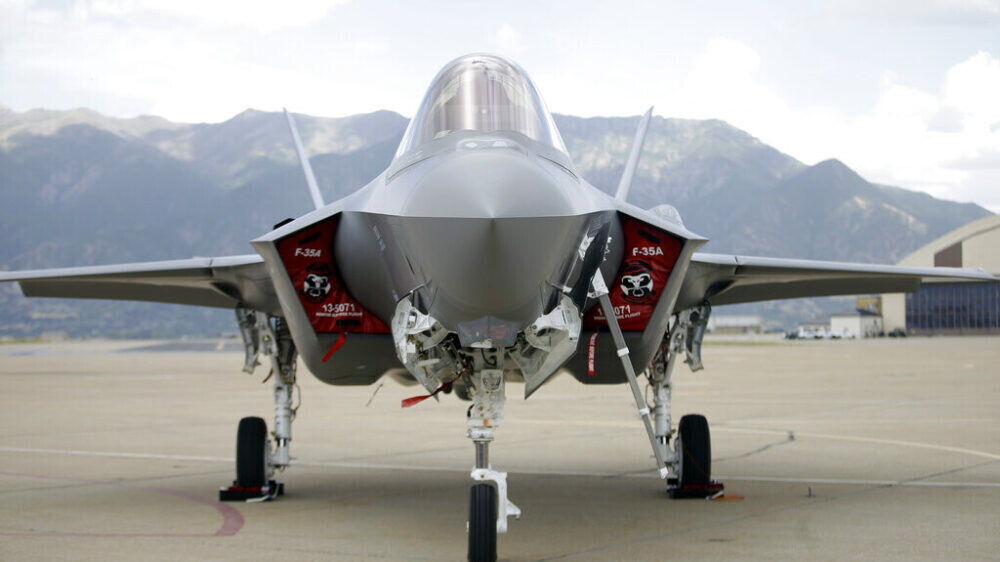
These include attacks on the Bulgarian Bezmer base, where the first US refueling aircraft were stationed at the end of July, as well as on the territory of Cyprus. In March, a British Cypriot military base was already hit by an Iranian drone.
Another direction of Iran’s asymmetric response to new US actions could be an action against underwater fiber-optic communication cables located in the Strait of Hormuz. This option appeared in the media during Operation Epic Fury, but Iran has not yet agreed to it.
International consulting firm Steptoe noted in June that cables in the Strait of Hormuz carry no more than 1% of the world's internet traffic, but the five main lines in the area are connected to those carrying the larger load. In particular, in the Strait of Hormuz there is a section of lines AAE-1, connecting Asia with Africa and Europe, and SEA-ME-WE 5, which connects Southeast Asia with the Middle East and Western Europe.
The networks are interconnected with cables in the Bab el-Mandeb Strait, which connects the Red Sea to the Arabian Sea. Up to 90% of communications between Europe and Asia already pass through these wires, Steptoe noted.
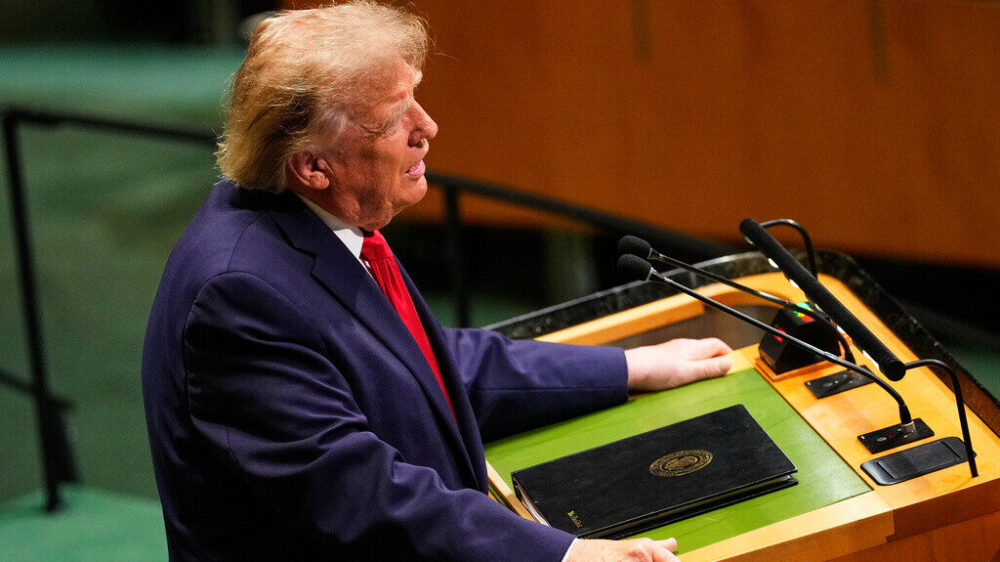
FT sources stressed that Iran's response will depend on what action the US takes and will be most widespread if President Donald Trump returns to the idea of attacks against infrastructure. The head of the White House previously claimed that he was ready to destroy a bridge and a power plant per day in Iran in response to Iranian actions in the Strait of Hormuz.
“If the US goes too far, Iran will defend itself at all costs, go beyond the region and hit Europe,” one of the FT’s interlocutors said.